
Work with a reliable Philadelphia roofing contractor for repairs, replacements, and inspections that protect your home year-round.
When most homeowners look up at their roof, they see a uniform field of shingles. Whether it is the textured slate-gray of architectural asphalt or the warm, rustic tones of cedar shake, the shingles dominate the visual landscape. They are the armor of the home, the primary shield against the elements. However, a roof is not a single, continuous blanket. It is a complex assembly of planes, angles, and intersections. It is pierced by chimneys, interrupted by skylights, and cut by ventilation pipes.

It is at these interruptions—these breaks in the armor—that your roof is most vulnerable. Water is a shapeshifter; it flows over flat surfaces easily, but it pools, wicks, and infiltrates at the seams. To combat this, roofers rely on a component that is often overlooked but is arguably more important than the shingles themselves: flashing. This unsung hero of the roofing system is the specialized detailing that seals the joints, bridging the gap between the roof and the rest of the house. Without it, even the most expensive shingles would fail to keep your living room dry during the first heavy rain.
The Impervious Seal at the Weakest Points
Flashing is essentially a thin, impervious material—usually metal—installed at every angle and joint where the roof line changes direction or meets a vertical surface. Think of your roof like a raincoat. The shingles are the fabric, but the flashing is the zipper and the buttons. It is the mechanism that ensures water cannot sneak in through the openings.

The principle behind flashing is simple but effective: gravity. It is installed in a specific layering method known as “shingle fashion.” The flashing is tucked <em>under</em> the roofing material above it and overlaps the material below it. This ensures that as water flows down the roof, it is constantly directed onto a lower surface and eventually off the edge, never given a chance to seep underneath. It is a game of redirection, guiding the water away from the vulnerable cracks and into the gutters.
The Anatomy of Metal Protection
While shingles can be made of asphalt, wood, or composite, flashing is almost always metal because it needs to be rigid enough to hold a shape but flexible enough to bend around corners. The most common material is galvanized steel, which is durable and resistant to rust. Aluminum is also popular for its malleability and ease of installation, making it perfect for complex shapes.
For high-end or historic homes, copper is the gold standard. Copper flashing is not only incredibly durable—often outlasting the roof itself—but it also adds a beautiful aesthetic element. Over time, bright copper weathers to a distinguished bronze and eventually a striking verdigris green, adding character to chimneys and valleys while providing an impenetrable barrier against moisture.
The Critical Zones: Valleys and Chimneys
 To understand why flashing is critical, you have to look at where it lives. The “valley” is the V-shaped channel where two roof slopes meet. During a storm, this area handles a massive volume of water, acting as a riverbed for the roof. If this area relied solely on woven shingles, the rushing water would eventually erode the material. Metal valley flashing provides a slick, durable runway that accelerates water off the roof and prevents it from backing up.
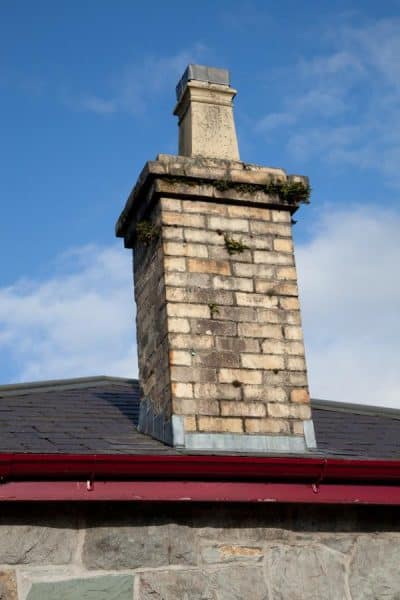
Chimneys are another high-risk zone. A chimney is essentially a hole cut into your roof deck. Without proper flashing, water would run down the face of the brick and straight into your attic. Here, roofers use a two-part system: “step flashing” (L-shaped pieces woven into every course of shingles) and “counter flashing” (metal embedded directly into the chimney mortar). This double-layer defense allows the house to settle and shift without breaking the waterproof seal.
Drip Edge: The First Line of Defense
One specific type of flashing that often goes unnoticed is the “drip edge.” This is a strip of metal installed along the very edges of the roof (the eaves and rakes). Its job is subtle but vital. Without a drip edge, water would trickle off the shingles and curl back underneath, soaking the wooden fascia board and the roof deck edges.
This “capillary action” can rot the edge of your roof quietly for years before you notice it. Drip edge flashing kicks the water out and away from the house, ensuring it falls cleanly into the gutter. It also seals the gap between the deck and the fascia, preventing insects and small pests from crawling into your attic space.
When Flashing Fails: The Silent Leak
Because flashing is metal, it reacts to temperature changes differently than asphalt or wood. It expands in the summer heat and contracts in the winter freeze. Over decades, this thermal movement can cause the flashing to warp, pull away from the wall, or work the nails loose. In coastal areas, salt air can corrode steel flashing, leaving it rusted and porous.
Learn what flashing is and why it’s critical for your roof, protecting against leaks, water damage, and ensuring your roofing system stays durable.
A flashing leak is often more damaging than a shingle leak because it is usually hidden. Water can seep in around a vent pipe and run down the inside of a wall, causing mold growth and structural rot long before a stain appears on the ceiling. This is why annual roof inspections are so important. A professional roofer won’t just look at the shingles; they will check the condition of the metal collars, the caulk around the chimney, and the integrity of the valleys. Maintaining these metal guardians is the key to a long-lasting, watertight roof.
