
Protect your home with expert roofing services—hire a trusted Philadelphia roofing contractor in Philadelphia today for inspections, repairs, and installations.
When the average homeowner looks up at their roof, they see a single, uniform surface. They see the color, the texture, and perhaps the way the sun hits the slope. However, viewing a roof merely as a layer of shingles is a misconception that can lead to costly oversight. A roof is not a sticker you apply to the top of your house; it is a complex, integrated machine designed to battle physics. It must withstand hurricane-force winds, repel torrential rain, breathe out damaging heat, and insulate against the biting cold.
As North America’s largest roofing manufacturer, GAF has pioneered the concept that a roof should be a “system” rather than a collection of parts. The “GAF Lifetime Roofing System” is a coordinated suite of components engineered to work together, ensuring that if one part faces extreme stress, the others are there to support it. For homeowners, understanding these layers is the key to understanding where their money is going and why a system-based approach offers superior protection compared to a patchwork of mismatched materials.
The Anatomy of a Fortress: How the Layers Work Together
A GAF roofing system is built from the deck up, with each layer serving a specific defensive purpose. It is helpful to think of it like dressing for extreme weather: you need a moisture-wicking base layer, a warm insulating layer, and a waterproof outer shell. If you skip one, the whole ensemble fails to keep you comfortable. In roofing, skipping a component—like proper ventilation or a starter strip—can compromise the longevity of the beautiful shingles you just paid for.

1. The Leak Barrier: The Waterproof Seal
The defense begins at the most vulnerable points of your roof: the eaves, the valleys, and the penetrations (like chimneys and skylights). These are the areas where water naturally collects and flows, and where ice dams—ridges of ice that trap melting snow—are most likely to form. To combat this, GAF utilizes a self-sealing leak barrier, such as the WeatherWatch® or StormGuard® peel-and-stick membrane.
This isn’t just plastic sheeting; it is a thick, rubberized asphalt mat that adheres directly to the wood deck. Its “magical” property is that it seals around the nails driven through it. Even if water backs up under your shingles due to an ice dam, this impermeable gasket prevents the moisture from touching the wood, stopping rot before it begins.
2. Roof Deck Protection: The Breathable Skin
Covering the rest of the exposed wood deck is the underlayment, or what GAF calls Roof Deck Protection (such as Deck-Armor™or Tiger Paw™). In the past, roofers used heavy, black tar paper that could wrinkle and trap moisture. GAF’s modern synthetic underlayment is a high-tech fabric that acts like high-performance athletic gear.
It provides a critical secondary layer of water shedding protection should the wind blow rain under the shingles. More importantly, it is “breathable.” It allows dangerous moisture from inside your attic to escape, preventing the roof deck from rotting from the inside out, all while stopping rain from getting in. It also lies incredibly flat, ensuring your shingles look smooth and uniform.
3. Starter Strip Shingles: The Anchor
One of the most common causes of roof failure during a storm is wind lift at the eaves. If the wind can get under the first row of shingles, it can peel the roof back like a banana. GAF addresses this with specialized Starter Strip Shingles.
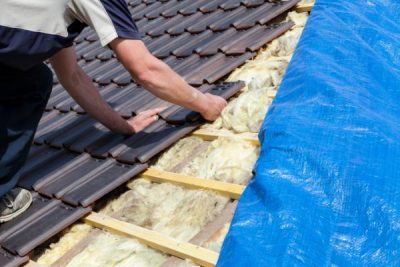
These are not just cut-up scraps of normal shingles; they are designed with a potent, factory-applied adhesive strip. They are installed along the very edge of the roof to lock the first course of shingles in place. They act as the anchor for the entire system, ensuring that when the gale-force winds blow, the leading edge of your roof doesn’t budge.
4. The Shingles: The First Line of Defense
This is the component everyone knows. Whether it is the rugged, architectural look of the Timberline® HDZ™ or the slate-like elegance of the designer series, the shingles are the shield. GAF shingles are engineered with LayerLock™ technology and Dura Grip™ sealant, which mechanically fuse the shingles together.
Beyond their structural integrity, these shingles are the aesthetic crown of the home. They are designed with high-definition color blends and shadow lines to create depth, enhancing curb appeal while deflecting UV rays and shedding water for decades.
5. Cobra Attic Ventilation: The Lungs of the House
A roof that cannot breathe is a roof that will die prematurely. Heat buildup in the attic can cook shingles from the underside, causing them to crack and blister. Moisture buildup can soak insulation and breed mold. GAF’s Cobra® ridge vents act as the exhaust system for the home.
Installed at the very peak of the roof, these low-profile vents allow hot, stale air to escape, drawing in fresh, cool air from the soffits below. This continuous airflow regulates the temperature of the roof deck, preventing ice dams in the winter and reducing cooling costs in the summer.
Ensure maximum protection for your home—install a Complete GAF Roofing System today with expert craftsmanship for durability and long-lasting performance.
6. Ridge Cap Shingles: The Aesthetic Finish
Finally, the system is capped off with Ridge Cap Shingles. Standard shingles cannot simply be bent over the peak of the roof; they would crack and leak. Ridge caps are thicker, pre-bent, and designed to hug the hips and ridges of the roof line.
They provide the necessary waterproof seal at the highest stress points of the roof while adding a distinct, finished look. They frame the roof much like a frame complements a painting, adding dimension and depth that highlights the architectural lines of the home.
