
Need a roofing contractor in Philadelphia? Get fast service, quality materials, and dependable workmanship for every roofing project.
When most homeowners think about their roof, they picture the visible layer of defense: the shingles, the flashing, and perhaps the gutters. We tend to focus on the external shield that braves the rain, snow, and scorching sun. However, there is a silent, invisible system working beneath those shingles that is just as critical to your roof’s lifespan. That system is attic ventilation.
Think of your attic as the lungs of your home. Just as you need to inhale fresh oxygen and exhale carbon dioxide to stay healthy, your house needs a continuous flow of air to maintain its structural integrity. Without this breath, your attic becomes a stagnant trap for heat and moisture—two forces that can quietly destroy a roof from the inside out long before the warranty expires. Understanding the delicate balance of airflow is the key to protecting your investment and ensuring your roof lasts as long as it was designed to.
Understanding How Your Home Breathes
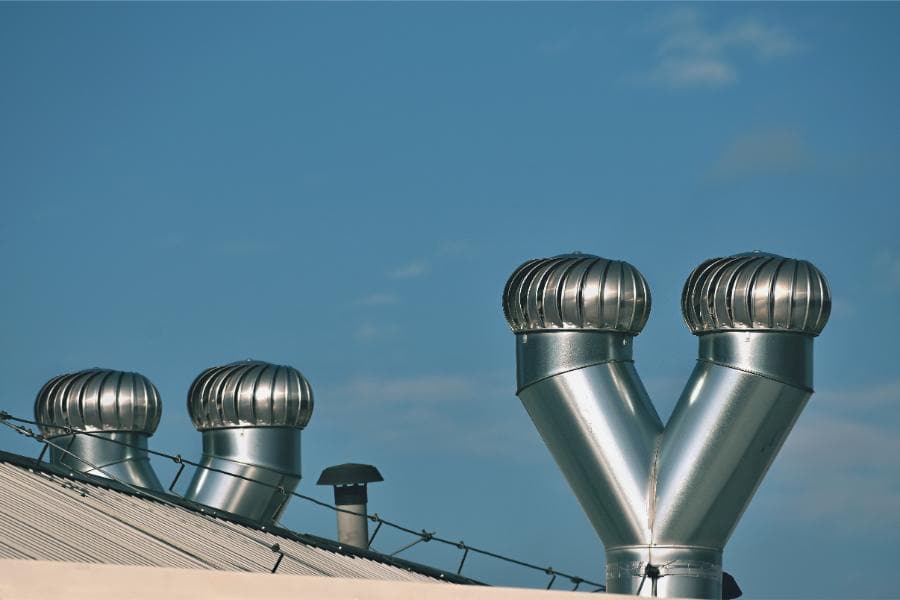
Proper ventilation is not merely about having a few holes in your roof; it is about physics and balance. An effective ventilation system relies on the principle that warm air rises. To create a functional airflow cycle, your roof requires two distinct types of vents: intake and exhaust. Intake vents, typically located along the soffits or eaves at the bottom of the roof edge, invite cool, fresh air into the attic space. Exhaust vents, found at the peak (ridge vents) or near the top (box vents), allow the hot, stale air to escape.

When this system is balanced, it creates a natural “chimney effect.” Cool air enters low, pushes the warm air up, and flushes it out the top. This continuous airflow regulates the roof deck temperature and keeps the attic environment stable, regardless of the season. When this cycle is broken—either by blocked intake vents or insufficient exhaust—the consequences can be severe for your roofing materials.
Combating Heat Buildup in Summer
At the height of summer, the sun beats down on your roof, raising surface temperatures to over 150 degrees Fahrenheit. Without proper ventilation, that heat radiates downward and becomes trapped in the attic, turning the space into a superheated oven. It is not uncommon for a poorly ventilated attic to reach temperatures of 160 degrees or more.
This intense heat cooks your roof from the underside. Asphalt shingles are designed to withstand sun exposure, but when they are subjected to extreme heat from below as well, the asphalt can begin to melt. This leads to premature aging, blistering, and curling of the shingles. Over time, the adhesive that seals the shingles together can degrade, leaving your roof vulnerable to wind damage. By keeping the attic temperature closer to the outside temperature, ventilation reduces this thermal stress and preserves the chemical integrity of your shingles.
Preventing Moisture Damage in Winter
While heat is the enemy in summer, moisture is the silent killer in winter. Every day, household activities like showering, cooking, laundry, and even breathing generate gallons of water vapor. In a well-sealed home, this warm, moist air rises and eventually migrates into the attic. If that moisture cannot escape through exhaust vents, it hits the cold underside of the roof deck and condenses into liquid water.
This phenomenon, often called “attic rain,” can be devastating. Water droplets can rust the nails holding your shingles in place, rot the plywood sheathing, and promote the growth of mold and mildew on your rafters. Over time, this damp environment can compromise your roof’s structural load-bearing capacity. Proper ventilation whisks this moisture away before it has a chance to settle and condense, keeping your wood dry and rot-free.
The Battle Against Ice Dams
One of the most visible and destructive signs of poor ventilation is the formation of ice dams. In snowy climates, a warm attic melts the snow sitting on the roof. This meltwater trickles down toward the eaves, which are naturally colder because they extend beyond the heated living space. When the water hits the cold eaves, it refreezes, forming a ridge of ice.
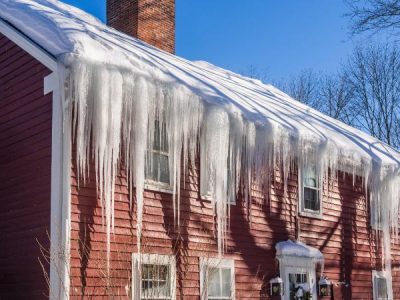
As this cycle repeats, the ice dam grows, trapping pools of water behind it. This standing water can back up under the shingles and leak into your home, damaging ceilings, walls, and insulation. A well-ventilated attic keeps the roof deck uniformly cold, preventing the snow from melting unevenly in the first place. By maintaining a “cold roof,” you stop ice dams before they start.
Protecting Your Insulation’s Efficiency
Your attic insulation works best when it is dry and fluffy. Its ability to trap air pockets is what keeps your home warm in winter and cool in summer. However, when an attic lacks ventilation and becomes humid, condensation can drip onto the insulation. Wet insulation clumps together and loses its R-value (thermal resistance), much like a wet wool sock fails to keep your foot warm.
Protect your roof with proper attic ventilation. Learn how airflow prevents moisture, mold, and damage to extend your roof’s lifespan.
When insulation becomes saturated, your HVAC system has to work overtime to maintain comfortable temperatures, driving up energy bills. Furthermore, wet cellulose or fiberglass takes a long time to dry, becoming a breeding ground for mold spores that can impact your indoor air quality. Ventilation ensures your insulation stays dry and effective, protecting both your roof and your wallet.
Identifying Signs of Poor Ventilation
You don’t always need a professional to spot ventilation issues. In winter, look for thick ice ridges on your eaves or unusually large icicles. In the summer, touch your ceiling on a hot day; if it feels warm, your attic is likely trapping heat. You might also notice dark, rusty streaks around the nails in your attic or a musty, damp smell when you pop the hatch.
Addressing these warning signs early by installing ridge vents, clearing blocked soffits, or adding solar-powered fans can add years to your roof’s life. Remember, a roof is a system, and like any system, it needs to breathe to function.
