
Work with a reliable Philadelphia roofing repair contractor for repairs, replacements, and inspections that protect your home year-round.
In the age of the internet, the “do-it-yourself” spirit has never been stronger. With a quick search on YouTube, you can find a tutorial for almost anything, from baking sourdough bread to changing the alternator in your car. It is empowering to fix things with your own two hands, and the prospect of saving hundreds of dollars on labor costs is undeniably attractive. So, when you spot a water stain on the ceiling or notice a few missing shingles after a storm, the temptation to grab a ladder and a bucket of tar is strong.

However, roofing is not like fixing a leaky faucet or painting a bedroom. It is a specialized trade that takes place in a high-risk environment. The gap between watching a professional install a shingle on a screen and actually standing twenty feet in the air on a sloped, gritty surface is massive. Beyond the immediate physical danger, there are subtle, long-term risks to your home’s structure and your wallet that aren’t mentioned in the 10-minute tutorial videos. Before you set foot on that ladder, it is crucial to understand why DIY roof repair is often a gamble with odds that are stacked heavily against you.
The High Stakes of Amateur Roofing
The most obvious danger is gravity, but few homeowners truly appreciate the dynamics of a roof until they are up there. A roof is not a floor. It is a slanted, often steep surface covered in loose, ceramic granules. These granules act like tiny ball bearings under your feet, especially if the roof is old or if there is even a hint of moisture or morning dew. Professional roofers wear specialized boots and use safety harnesses, toe boards, and scaffolding to secure themselves. They have developed the “sea legs” necessary to balance tools, materials, and their own body weight on a 45-degree pitch.
For the uninitiated, a momentary loss of focus or a sudden gust of wind can be catastrophic. According to the Occupational Safety and Health Administration (OSHA), falls from roofs account for one-third of all construction fatalities. But even a non-fatal fall from a single-story height can result in life-altering injuries. The money saved on a contractor’s invoice pales in comparison to the cost of medical bills, lost wages, and rehabilitation. Is saving a few hundred dollars worth risking your mobility?
The Trap of the “False Fix”
Beyond personal safety, the biggest issue with DIY roofing is misdiagnosis. Water is a deceptive traveler. The brown stain on your living room ceiling is rarely directly below the hole in the roof. Water can enter through a popped nail, run six feet down a rafter, drip onto insulation, soak through the drywall, and pool in a light fixture on the other side of the room.
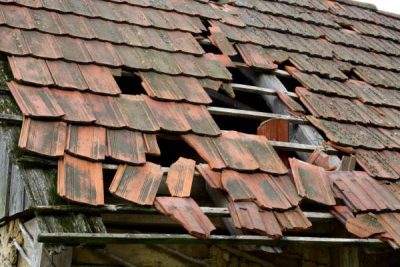
An amateur repair often targets the symptom, not the disease. You might slather roofing cement over a shingle that looks suspicious directly above the leak, thinking you have solved the problem. Meanwhile, the actual entry point—perhaps a cracked vent boot or a rusted flashing ten feet away—continues to let water in. This creates a “false fix.” You believe the roof is secure, so you stop worrying. But inside the walls, the water continues to rot the wood, breed mold, and destroy insulation. By the time the leak reappears, the structural damage is often extensive and expensive.
Voiding Your Warranty and Insurance
Your roof comes with a warranty, usually from the manufacturer of the shingles. These warranties can last 20, 30, or even 50 years, but they are fragile legal documents. They almost always contain strict clauses regarding installation. Manufacturers require that their products be installed according to specific codes and usually by certified professionals.
If you drive a nail in the wrong spot—too high, too low, or at an angle—you have technically installed the product incorrectly. If you use the wrong type of underlayment or mix two different brands of shingles, you have violated the terms. If you file a claim years later for a defective roof, the manufacturer will send an inspector. If that inspector sees evidence of amateur patchwork, they can void the warranty for the entire roof, leaving you with zero coverage. Similarly, if your DIY repair fails and causes massive water damage to your interior, your homeowner’s insurance provider may deny the claim, citing negligence or improper maintenance.
The Aesthetic and Resale Consequence
Roofing is also an aesthetic craft. A professional knows how to weave shingles so that the repair blends seamlessly with the existing roof. They know how to match the “weathering” of the old shingles with the new ones. A DIY patch often stands out like a sore thumb—a square of bright, new asphalt in a sea of faded gray, or a glob of black tar visible from the street.
While you might not mind the look, potential buyers will. When you eventually sell your home, a home inspector will spot a DIY roof repair immediately. It signals to the buyer that the home may have been maintained poorly or “on the cheap.” It raises red flags about what other corners were cut. Often, buyers will demand that a licensed roofer inspect and redo the work before closing, forcing you to pay for the professional repair anyway—years after you thought you had saved the money.
Learn the hidden dangers of DIY roof repairs, including safety risks, potential damage, and why hiring a professional protects your home and investment.
Creating New Problems with Improper Materials
Finally, there is the risk of using the wrong materials. Not all caulks and sealants are compatible with asphalt. Using a silicone-based caulk meant for bathrooms on a roof can prevent shingles from sealing properly. Using the wrong length of nail can puncture the roof deck and turn your attic into a pin-cushion of rusty spikes that drip condensation. Professional roofers understand the chemistry and mechanics of the system; guessing at the hardware store aisle is a recipe for accelerating your roof’s demise.
