
Protect your roof from harmful UV damage, consult a skilled roofing contractor in Philadelphia today for expert advice and long-lasting roofing solutions.
UV Rays On Roofing Materials
When we think of threats to our roofs, our minds usually jump to the dramatic: the hailstorm that pelts the shingles, the gale-force wind that tears them loose, or the heavy snowload that strains the rafters. Yet, the most relentless enemy of your roof isn’t a storm at all. It is the sun. Every single day, from sunrise to sunset, your roof is bombarded by ultraviolet (UV) radiation. This silent, invisible force is constantly at work, slowly breaking down the chemical bonds that hold your roofing materials together.
While a sunburn on your skin heals in a few days, the “sunburn” on your roof is permanent and cumulative. Over the years, UV rays cause materials to dry out, become brittle, and lose their structural integrity. Understanding how this process works, and how different materials react to it, is crucial for any homeowner who wants to maximize their investment’s lifespan and keep their home protected.
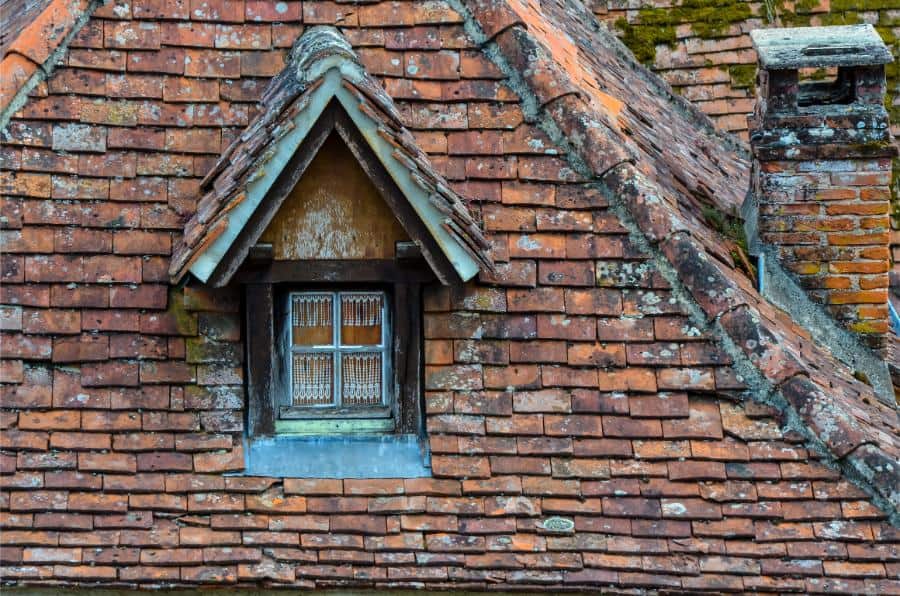
The Science of Solar Degradation: Why Roofs Age
At a molecular level, radiation is a form of energy. When these high-energy photons hit your roof, they excite the electrons in the roofing material. This energy can be strong enough to break the chemical chains in polymers, asphalt, and coatings. This process is called photo-oxidation.
Think of it like leaving a plastic lawn chair out in the sun for a few summers. Eventually, the bright color fades, the surface becomes chalky, and one day, you sit down and the leg snaps. Your roof is undergoing the same process, just on a much slower and more durable scale. The sun literally cooks the flexibility out of the material, transforming it from a resilient shield into a fragile shell that is prone to cracking, curling, and leaking.

Asphalt Shingles: The Drying Out Effect
Asphalt shingles are the most common roofing material in North America, and they are particularly vulnerable to UV damage. Shingles are made of a fiberglass mat coated in asphalt and topped with mineral granules. The asphalt provides waterproofing and flexibility, while the granules act as sunscreen, blocking UV rays from reaching the asphalt directly.
Over time, however, the sun’s heat causes the volatile oils in the asphalt to evaporate. This is why an old shingle feels stiff and brittle compared to a new, pliable one. As the asphalt dries out, it loses its grip on the protective granules. You might start finding these little colored stones in your gutters. Once the granules are gone, the exposed asphalt deteriorates rapidly, leading to curling edges, cupping, and eventually, cracks that allow water to seep through.
Metal Roofing: The Battle Against the Fade
Metal roofs are famous for their durability, often lasting 50 years or more. But even metal isn’t immune to the sun. While UV rays won’t degrade the steel or aluminum substrate itself, they wreak havoc on the protective paint or coating. This is primarily an aesthetic issue known as “chalking” and “fading.”
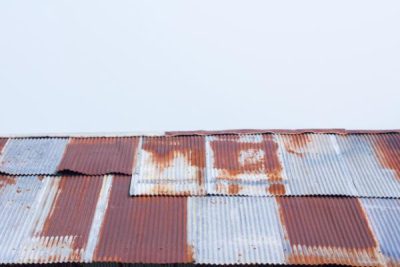
Chalking occurs when the resin in the paint system breaks down, leaving behind a powdery white residue on the surface. Fading is the gradual loss of pigment. While modern Kynar 500® and Hylar 5000® coatings are highly resistant to this, older or lower-quality finishes can look patchy and worn after a decade of intense sun exposure. Additionally, the constant thermal expansion and contraction caused by the sun’s heat can loosen the fasteners and washers that hold the panels in place, potentially leading to leaks.
Wood Shakes: The Graying and Splitting
There is a rustic charm to a cedar shake roof that is hard to beat. But wood is an organic material, and UV rays accelerate its natural decomposition. The sun’s energy breaks down lignin, the natural glue that holds wood fibers together. This is what turns fresh, golden cedar into a distinguished silver-gray.
While this color change is often desired, the structural damage is not. As the lignin degrades, the surface of the wood fibers loosens and erodes. Combined with the wetting and drying cycles of rain and sun, this causes the shakes to split, warp, and curl upward (a phenomenon called “cupping”). Without regular maintenance and sealing, a sun-damaged wood roof becomes a fire hazard and a sieve for water intrusion.
Tile and Slate: The Resilient Contenders
If you want a roof that laughs in the face of the sun, look to clay tile, concrete tile, or natural slate. These materials are inorganic, meaning they don’t have the chemical bonds that UV rays target. A slate roof installed today will look virtually the same in 100 years, regardless of how much sun it sees.
However, even these roofs have an Achilles’ heel: the underlayment. The tiles themselves are just the first line of defense; the waterproof membrane underneath is what truly keeps the house dry. UV rays can penetrate gaps between tiles or reach the underlayment at the eaves and valleys. If this membrane isn’t UV-resistant, it can become brittle and crack long before the tiles do, leading to insidious leaks that are difficult to trace.
Synthetic Roofing: Engineering a Solution
In recent years, manufacturers have developed synthetic roofing materials, often made from recycled rubber and plastics, that are specifically engineered to resist UV degradation. These products contain inhibitors and stabilizers mixed directly into the polymer blend, much like adding SPF 50 to the material itself. While they mimic the look of slate or wood, they offer superior resistance to cracking and fading, promising a long, low-maintenance life even in the sunniest climates.
Shield your roof from damage and extend its lifespan, contact a professional Philadelphia roofing contractor in Philadelphia today for expert inspection and protection solutions.
Protecting Your Investment
You can’t turn off the sun, but you can mitigate its effects. Choosing light-colored roofing materials can reflect more UV radiation, keeping the roof cooler and slowing down chemical degradation. Ensuring proper attic ventilation helps reduce the heat load on the shingles from the underside. And most importantly, regular inspections can catch the early signs of UV damage, such as granule loss or chalking, before they lead to a full-blown roof failure.
