
Choose a trusted Philadelphia shingle company known for honest pricing, durable roofs, and professional service from start to finish.
Your roof is more than just a structural necessity; it is the first line of defense against the elements and a defining feature of your home’s exterior aesthetic. When the time comes for a roof replacement, homeowners are often faced with a dizzying array of material choices. Among the most popular options are asphalt shingles, specifically the two primary contenders: traditional three-tab shingles and modern architectural shingles. While they are made from similar materials, their performance, appearance, and longevity vary significantly.
Choosing between these two options requires balancing your immediate budget with your long-term goals for the property. Are you looking for a quick, cost-effective fix, or are you investing in a lifetime solution that boosts curb appeal? To help you make an informed decision, we have broken down the critical distinctions between these two roofing heavyweights.
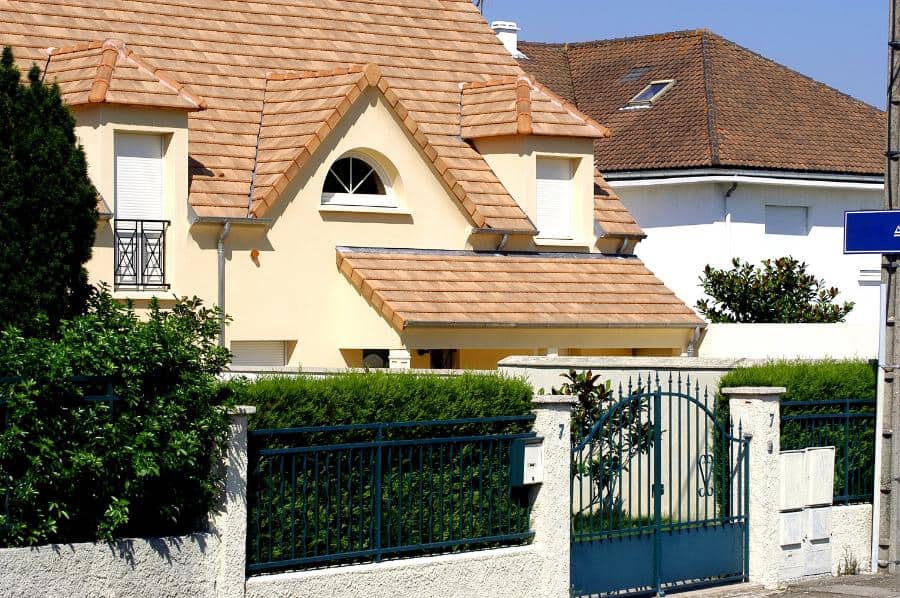
Understanding the Core Distinctions in Asphalt Roofing
At their core, both three-tab and architectural shingles are asphalt-based products. They consist of a fiberglass base mat coated with asphalt and topped with ceramic-coated mineral granules. These granules provide color and protect the shingle from UV radiation. However, the manufacturing process and final construction of the shingles create two very different products. Understanding how they are built is the key to understanding how they perform.

What Are Three-Tab Shingles?
Three-tab shingles are the traditional standard that covered millions of homes for decades. They are manufactured as a single layer of material. The name “three-tab” comes from the distinct cutouts along the bottom edge of the shingle, which create the illusion of three separate pieces when installed. When laid out on a roof, they produce a very flat, uniform, and brick-like pattern.
Because they are made from a single layer, three-tab shingles are thinner and lighter than their architectural counterparts. This lightweight nature makes them easier to handle, but it also means they have less material to absorb hail impact or resist uplift from strong winds. They are essentially the “economy” class of roofing—functional and affordable, but lacking in luxury features and high-end performance.
What Are Architectural Shingles?
Architectural shingles, also known as dimensional or laminated shingles, represent the evolution of roofing technology. Unlike the single-layer design of three-tab shingles, architectural shingles are constructed by bonding two or more layers of asphalt together. This multi-layer construction creates a thicker, heavier, and more durable product.
The “architectural” name is derived from the aesthetic effect they produce. Because the layers are laminated together, the shingles have a contoured, three-dimensional look. They are designed to mimic the natural shadow lines and texture of premium roofing materials like cedar shakes or slate tiles, without the exorbitant maintenance or cost associated with those natural materials.
Aesthetics and Curb Appeal: Flat vs. Dimensional
One of the most immediate differences homeowners notice is the visual impact. Three-tab shingles offer a clean, minimalist look, but they can appear somewhat flat and two-dimensional. If you are updating a rental property or a starter home where budget is the primary driver, the uniform appearance of three-tab shingles is perfectly acceptable. However, they rarely add significant design value to a home.
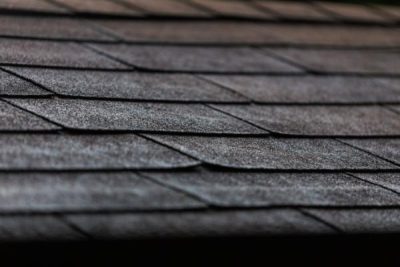
In contrast, architectural shingles add depth and character. The random variation in tab sizes and the shadow lines created by the extra thickness give the roof a rich, textured appearance. This high-definition look can significantly boost a home’s curb appeal. For homeowners considering resale value, architectural shingles are often a selling point because they signal a higher-quality investment to potential buyers.
Durability and Wind Resistance: Weathering the Storm
When it comes to protecting your home from severe weather, the difference in construction becomes a critical factor. Three-tab shingles are lighter and thinner, which generally results in lower wind resistance ratings. Most three-tab products are rated to withstand winds up to 60 or 70 miles per hour. While this is sufficient for mild climates, it can be a liability in areas prone to severe thunderstorms or hurricanes. Strong gusts can easily lift the tabs, leading to creasing, tearing, or shingles blowing off entirely.
Architectural shingles are the heavyweight champions in this comparison. Their dual-layer construction and heavier weight provide superior holding power. Most architectural lines are rated for wind speeds of 110 to 130 miles per hour. This enhanced durability makes them far more resilient against wind uplift and impact damage from falling debris or hail.
Lifespan and Warranty Coverage
The longevity of your roof is directly tied to the quality of the materials used. Because three-tab shingles are thinner, they wear out faster. You can typically expect a three-tab shingle roof to last between 15 and 20 years, depending on the climate and ventilation. Warranties for these products are usually limited, often spanning 20 to 25 years, but they are prorated, meaning the coverage value decreases rapidly over time.
Architectural shingles are built for the long haul. A properly installed architectural roof can last anywhere from 25 to 50 years. Because manufacturers are confident in the durability of these laminated products, they often offer more robust warranties. It is common to find lifetime limited warranties (often defined as 50 years) on high-quality architectural shingles, providing peace of mind that your investment is protected for decades.
Cost Comparison: Upfront Price vs. Long-Term Value
Budget is often the deciding factor for many renovation projects. Undeniably, three-tab shingles are the cheaper option upfront. The material costs are lower, and because they are lighter, they can be installed slightly faster. If you are working with a strict budget or roofing a non-residential structure like a shed or detached garage, three-tab shingles offer the lowest barrier to entry.
However, when you calculate the cost over the roof’s lifespan, architectural shingles often prove to be the better value. While they may cost 20% to 30% more upfront than three-tab shingles, they last nearly twice as long. You would likely need to replace a three-tab roof twice before one architectural roof fails. When you factor in labor costs, inflation, and the cost of future materials for a second replacement, the “expensive” architectural shingles actually become the more economical choice over time.
Compare architectural and three-tab shingles in terms of durability, cost, and curb appeal to choose the right roofing option for your home.
Making the Right Choice for Your Home
Deciding between architectural and three-tab shingles ultimately comes down to your specific needs. If upfront affordability is your only concern, three-tab shingles remain a viable, functional option. However, for most homeowners, the superior durability, extended lifespan, and enhanced beauty of architectural shingles make them the clear winner. By investing a little more today, you secure a roof that not only looks better but also stands up to the elements for years to come.
