
Upgrade your flat roof with durable, energy-efficient TPO—contact a trusted Philadelphia roofing contractor in Philadelphia today for expert installation and a free estimate.
When it comes to roofing, flat surfaces present a unique set of challenges. Unlike pitched roofs that rely on gravity to shed water and debris, flat roofs must be watertight fortresses capable of withstanding pooling water, intense UV exposure, and thermal expansion. For decades, the industry standard was heavy layers of tar and gravel or expensive rubber sheets. But in recent years, a new champion has emerged in the commercial and residential roofing market: Thermoplastic Polyolefin (TPO).
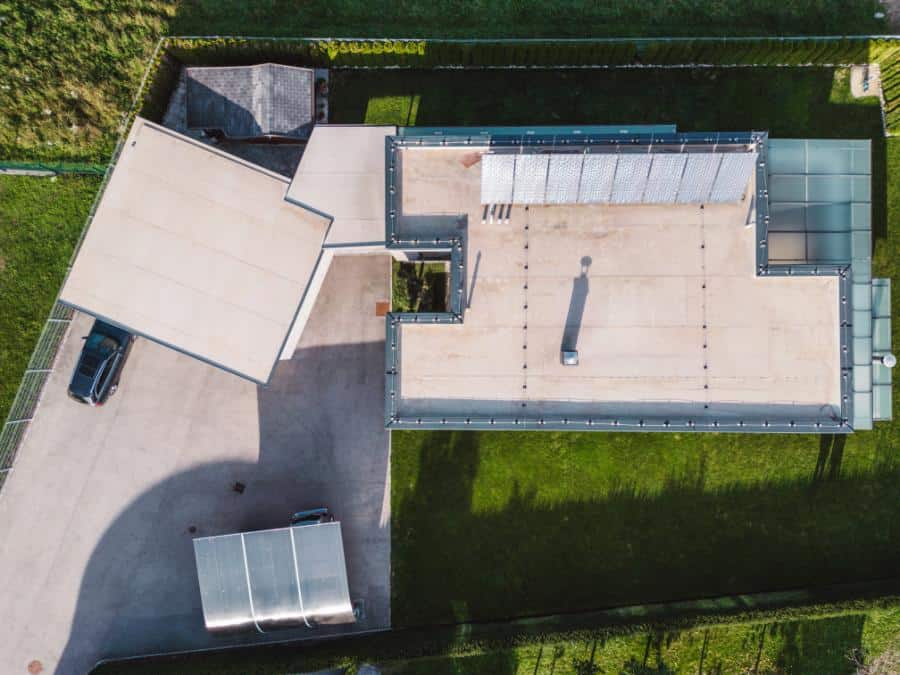
If you have noticed brilliant white roofs gleaming atop modern office buildings, warehouses, or even contemporary homes, you have likely seen TPO in action. This single-ply membrane has skyrocketed in popularity, not just because it looks clean and modern, but because it offers a perfect storm of durability, energy efficiency, and cost-effectiveness. Whether you are a business owner looking to protect your inventory or a homeowner with a flat roof addition, understanding the benefits of TPO could save you thousands of dollars over the lifespan of your property.
Why TPO Is the “Goldilocks” of Roofing Materials
TPO was engineered to be the best of both worlds. It combines the long-term durability of rubber (EPDM) roofs with the heat-welded seam performance of PVC roofs, all without the high price tag of either. It is a blend of polypropylene and ethylene-propylene rubber, creating a material that is flexible even in freezing temperatures yet tough enough to resist tears, punctures, and impact damage.

But what truly sets TPO apart is how it is installed. Unlike traditional rubber roofs that are glued or taped at the seams—adhesives that can degrade over time—TPO seams are welded together using hot air. This process fuses the two sheets into a single, monolithic membrane. The result is a seam that is actually stronger than the material itself, creating a continuous, watertight skin over your entire building.
1. Superior Energy Efficiency
In a world where energy costs are constantly rising, TPO is a superhero. Most TPO membranes are white or light-colored, giving them exceptional reflectivity. While a dark asphalt or rubber roof absorbs the sun’s scorching heat, transferring it directly into your building and forcing your air conditioning to work overtime, a white TPO roof reflects up to 80% of those UV rays.
This “cool roof” effect can lower your roof’s surface temperature by 50 degrees or more on a hot summer day. For building owners, this translates directly to the bottom line: significantly reduced cooling bills and a more comfortable interior environment. Over the roof’s 20-year life, the energy savings alone can often cover a substantial portion of the installation cost.
2. Durability Against the Elements
Flat roofs are brutal environments. They are exposed to standing water, hail, bird droppings, and chemical pollutants. TPO is formulated to resist all of these threats. It is naturally resistant to mold, algae, and dirt accumulation, meaning it stays cleaner longer without aggressive maintenance. Its flexible chemical structure allows it to expand and contract with the building during freeze-thaw cycles without cracking or becoming brittle.
Furthermore, TPO is highly resistant to punctures. This is a critical feature for commercial buildings where HVAC technicians and other maintenance workers frequently walk on the roof. The reinforced fabric layer within the membrane provides a tough shield against dropped tools or heavy boots, ensuring the watertight integrity remains intact.
3. Cost-Effective Installation
 Budget is always a primary concern for any construction project, and this is where TPO shines. It is generally more affordable per square foot than PVC or metal roofing systems. But the savings don’t stop at the material cost. Because TPO is lightweight and comes in wide rolls (up to 12 feet), it can be installed quickly and with fewer seams than other systems.
Professional installers can either mechanically attach the membrane to the roof deck or fully adhere it, depending on the building’s specific needs. The speed of installation means lower labor costs and less disruption to your daily operations. Whether you are re-roofing an existing structure or building new, TPO offers a high-performance solution that fits within tight budgets.
4. Environmentally Friendly Choice
For the eco-conscious property owner, TPO is a green choice. Unlike PVC, which contains chlorine and plasticizers that can be harmful to the environment during production and disposal, TPO is 100% recyclable. At the end of its lifecycle, the membrane can be ground down and repurposed into new roofing products or other plastic goods. Plus, its ability to reduce the “urban heat island” effect makes it a favorite for LEED-certified building projects.
Is TPO Right for You?
While no roofing material is perfect for every situation, TPO’s balance of performance, price, and energy efficiency makes it the leading choice for flat and low-slope roofs today. It offers a sleek, modern look that protects your investment from the harshest weather while putting money back in your pocket through energy savings. If you are considering a flat roof project, TPO should be at the top of your list.
