
Your trusted roofing contractor Philadelphia delivering expert installations, storm damage repairs, and long-lasting roofing solutions.
There is a distinct sense of nobility attached to a historic home crowned with a slate roof. Unlike the temporary, manufactured shingles that cover modern subdivisions, a slate roof is a geological marvel. It is rock—hewn from the earth, hand-split by craftsmen, and laid in overlapping layers to create a shield that can last for centuries. It is the “forever roof,” a feature that adds immense character, value, and historical gravitas to your property.
However, owning a slate roof comes with a unique set of responsibilities. It requires a mindset shift from “homeowner” to “steward.” While the stone itself is incredibly durable—impervious to fire, rot, and insects—the system holding it together is not invincible. Neglect can turn a 150-year asset into a crumbling liability. To ensure your slate roof survives for the next generation, you must understand the delicate balance of its construction and the specific, gentle care it demands.
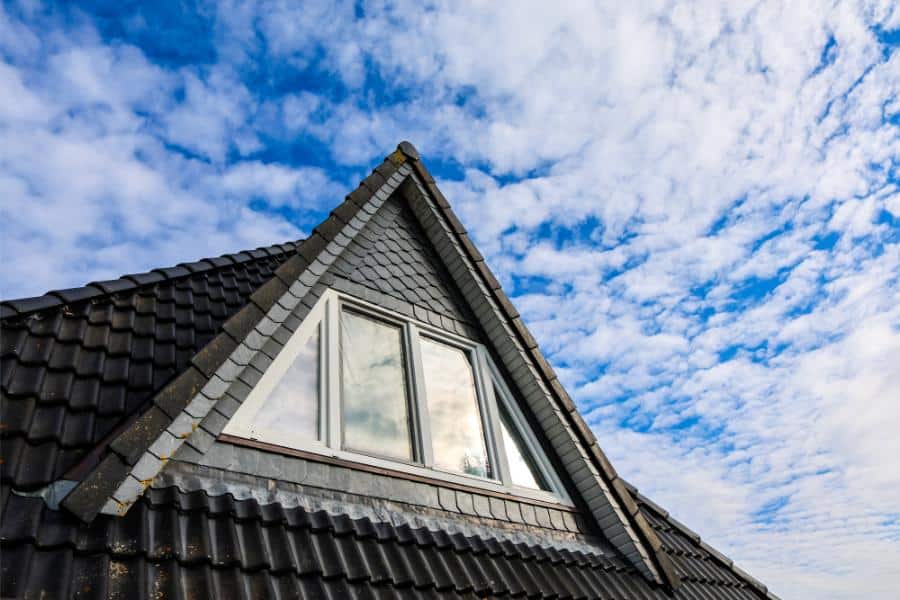
Preserving the Stone Legacy Above Your Head
The first rule of slate maintenance is to understand the material’s paradox: it is incredibly hard, yet surprisingly brittle. Slate is a metamorphic rock formed under intense heat and pressure, which makes it dense and waterproof. However, unlike asphalt or metal, it has zero flexibility. It cannot bend; it can only break. This characteristic dictates every aspect of how you should interact with your roof.

Preservation is rarely about replacing the stone itself. Unless the slate is of a soft variety that is delaminating (flaking apart like pastry), the tiles are likely in excellent condition. The goal of maintenance is to protect the “weak links” of the system—the nails, the flashings, and the timber structure underneath—while ensuring that the stone remains undisturbed. A proactive, observant approach helps you catch minor issues before they escalate into leaks that threaten the historic plaster and woodwork in your home.
Conduct Visual Inspections from the Ground
The most important piece of advice for a slate roof owner is this: stay off the roof. Walking on slate requires a specific technique and knowledge of the weight-bearing points. An inexperienced person—or even a general contractor used to walking on asphalt—can crack dozens of slats simply by walking across them to inspect a chimney. These hairline cracks may not leak immediately, but they will widen over freeze-thaw cycles, leading to future failure.
Instead, invest in a high-quality pair of binoculars. Twice a year, usually in the spring and fall, walk the perimeter of your home. Scan the roof slopes for “slipped” slate. These are tiles that have slid out of position because the iron nail holding them has rusted away. You should also look for cracked or broken corners. If you see a slate that appears to be hanging by a thread, address it promptly before it slides out and crashes to the ground, potentially injuring someone or damaging the slate below it.
Monitor the Flashings: The System’s Achilles Heel
If your slate roof is leaking, there is a 90% chance the slate is not the problem. The culprit is almost always the metal flashing. Valleys, ridges, chimney crickets, and vent pipe collars are typically made of copper, lead-coated copper, or galvanized steel. While the slate can last 150 years, copper flashing typically lasts 60 to 70 years, and steel even less.

Over time, acidic rain and oxidation eat away at the metal, causing pinhole leaks and fatigue cracks, particularly in the valleys where water rushes. During your binocular inspection, look at the metal components. Copper turns a beautiful verdigris green as it ages, but if you see it turning black or looking pitted, it is nearing the end of its life. A skilled slater can often replace the flashings while salvaging the original stone, restoring the roof’s integrity without altering its appearance.
The Danger of “Tar Bucket” Repairs
When hiring a professional, you must be discerning. One of the greatest tragedies for a historic slate roof is an improper repair done by a well-meaning but uneducated roofer. If you see a contractor heading up a ladder with a bucket of black roofing tar or a caulking gun, stop them immediately.
Mastic and tar are the enemies of slate. They are temporary patches that look unsightly and trap moisture, accelerating rot in the wood battens below. Worse, tar hardens and binds the slats together. When a qualified restoration specialist eventually comes to fix the roof, they will likely break the slats by prying them apart to remove the tar. Proper slate repair involves using a “slate ripper” tool to cut the old nail, sliding the new slate into place, and securing it with a copper nail and a purely mechanical hook or bib. No glue, no tar, no mess.
Keep the Gutters and Downspouts Flowing
Historic homes often feature built-in box gutters or heavy cast-iron hanging gutters. Because slate is a heavy material that sheds water rapidly, your drainage system must be robust. If gutters clog with leaves and debris, water can back up. In winter, this leads to massive ice dams. Because slate is brittle, the expansive force of an ice dam can crush the tiles at the eaves, shattering the bottom courses.
Ensure your gutters are cleaned regularly and that the downspouts are clear. If you have Yankee (built-in) metal-lined gutters, inspect the soldered seams for cracks. Keeping the water moving away from the roof edge is critical to preventing ice damage that can destroy the lower perimeter of your slate work.
Preserve your historic home with expert slate roofing contractor tips to prevent damage, extend lifespan, and protect its timeless beauty.
Matching the Quarry for Seamless Repairs
Finally, when a few slats do need to be replaced, color matching is an art form. Slate comes from different quarries—Vermont, Pennsylvania, Virginia, and Wales—each with unique mineral compositions and weathering characteristics. A “Unfading Green” slate will look vastly different after 20 years than a “Semi-Weathering Gray.”
Do not settle for a patch that looks like a checkerboard. A specialist will source salvaged slate from a “boneyard” or identify the specific quarry your roof originated from to find a match that blends seamlessly with your existing roof’s patina. This attention to detail preserves the historical accuracy and curb appeal of your home, maintaining the seamless, stone-scaled aesthetic that makes your property a landmark.
