
Keep your home pest-free—hire a trusted Philadelphia roofing contractor in Philadelphia today to inspect and secure your roof vents.
Your roof is designed to be a fortress, shielding your home from rain, snow, and wind. However, there is a tiny, often overlooked vulnerability in this armor: your roof vents. These essential components allow your attic to breathe, preventing moisture buildup and regulating temperature. But to a determined squirrel, raccoon, or swarm of wasps, a standard roof vent is less of a barrier and more of an open door.
Pests are opportunistic invaders. They are constantly scouting for warm, dry places to build nests and raise their young, and your attic offers five-star accommodation. Unfortunately, once they move in, they bring a host of problems—from chewed wiring and destroyed insulation to health hazards caused by droppings. Securing your roof vents is not just about pest control; it is about protecting your home’s structural integrity and hygiene. By taking proactive steps today, you can close the “vacancy” sign on your roof for good.
Why Roof Vents Are a Prime Target for Pests
It is easy to assume that because a vent is made of metal or tough plastic, it is impenetrable. The reality is quite different. Many standard builder-grade vents are designed primarily for airflow, with pest prevention being a secondary consideration. They often feature lightweight aluminum screens or wide slats that might stop a large branch but are no match for a raccoon’s dexterity or a rodent’s chewing power.
Rats and squirrels can chew through soft aluminum and plastic vent covers in minutes. Bats and mice can squeeze through gaps as small as a quarter of an inch. Once they breach this outer defense, they have free rein of your attic. Understanding that your current vents may be insufficient is the first step toward fortifying your home against these unwanted guests.
Identifying the Signs of a Breach
Pests are often heard before they are seen. If you hear scratching, scurrying, or thumping noises coming from your ceiling at night, there is a good chance you have a visitor. However, you don’t have to wait for the noise to confirm a problem. A visual inspection from the ground or a ladder can reveal telltale signs of entry.
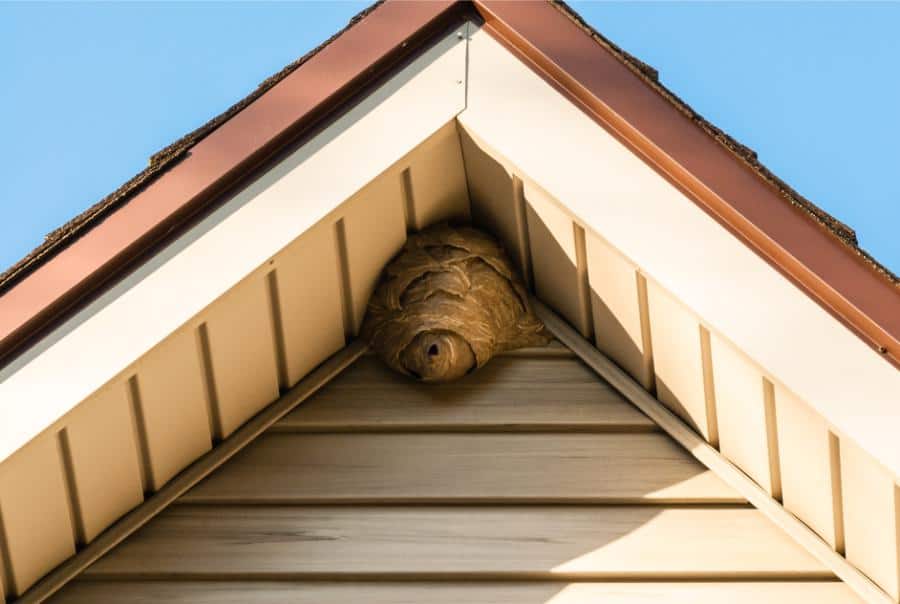
Look for vent covers that are bent, loose, or completely missing. Gnaw marks around the edges of the vent or on the shingles nearby are a clear indicator of rodent activity. You might also spot dark staining around the entry point, caused by oils from the animals’ fur as they squeeze in and out. In the case of insects like bees or wasps, a steady stream of traffic entering and exiting a specific vent is a sure sign of a nest inside.
The Right Materials for the Job
When it comes to pest-proofing, material matters. Soft metals and plastics are simply not up to the task. To truly secure your vents, you need a barrier that is chew-proof and rust-resistant. Hardware cloth, a heavy-duty wire mesh, is the gold standard for this application.
For most pests, a ¼-inch galvanized steel mesh is ideal. It is small enough to keep out mice and bats but large enough to allow proper airflow. If you live in an area prone to wildfires or have issues with smaller insects, a finer 1/8-inch stainless steel mesh offers superior protection against embers and bugs without corroding over time. Avoid using standard window screening; it is far too flimsy and will clog easily with dust and debris, choking off your attic’s ventilation.
Step-by-Step: Securing Your Vents
Retrofitting your existing vents with protective mesh is a manageable DIY project for those comfortable working on a roof. However, safety is paramount—never attempt this if the roof is steep, wet, or if you are unsure of your footing.
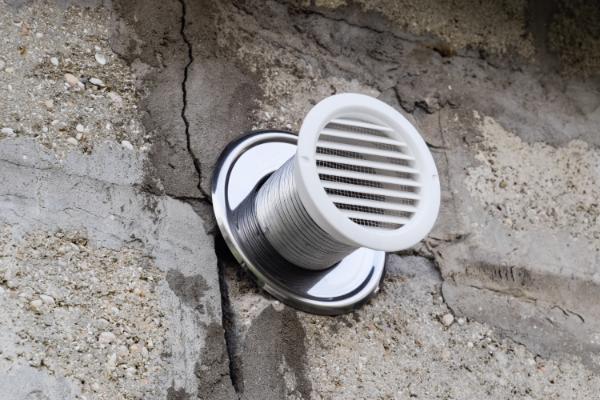
Start by cleaning the area around the vent, removing any debris or nesting material. Measure the vent opening and cut a piece of hardware cloth that extends at least two inches beyond the opening on all sides. This overlap is crucial; it prevents animals from prying the mesh up at the edge. Secure the mesh firmly to the vent flange or the roof deck using self-tapping sheet metal screws or roofing nails with washers. Ensure there are no gaps or loose edges. For plumbing vent pipes, which are open at the top, specialized vent caps are available that clamp directly onto the pipe, preventing birds and squirrels from falling in or nesting.
The Importance of Regular Maintenance
Pest proofing is not a “set it and forget it” task. Over time, leaves and dust can accumulate on the mesh, restricting airflow. A clogged vent can lead to overheating in your attic and moisture problems in your home. Make it a habit to inspect your roof vents at least twice a year, preferably in the spring and fall.
Protect your home from unwanted pests—trust our roofing professionals in Philadelphia today to secure roof vents and prevent infestations.
During these inspections, use a soft brush to clear away any debris from the screens. Check the mesh for signs of rust or tampering by persistent wildlife. If you notice any new damage, repair it immediately. By staying vigilant and maintaining these defenses, you ensure that your home remains a sanctuary for your family, not a shelter for the local wildlife.
