
Work with a reliable Philadelphia roof replacment contractor for repairs, replacements, and inspections that protect your home year-round.
Replacing a roof is one of the most significant investments you will make as a homeowner. It is a major construction project that transforms the look and functionality of your house, ensuring you stay dry and comfortable for decades to come. However, between the tear-off of the old shingles and the installation of the new system, your property effectively becomes a work zone. While your roofing contractor will handle the heavy lifting, the noise, vibrations, and debris are inevitable parts of the process.
To ensure the project runs smoothly and your personal property remains safe, a little proactive preparation goes a long way. By taking the time to secure your surroundings before the crew arrives, you minimize stress and help the roofing team work more efficiently. Let’s walk through the essential steps to get your sanctuary ready for the big day.

Creating a Safe and Efficient Environment for the Job
Think of preparation as setting the stage. A roof replacement involves heavy machinery, dumpsters, bundles of shingles, and a crew of people moving quickly around your property. The goal is to create a clear perimeter that allows workers to access the roof easily while protecting your belongings from falling debris like nails or old shingles. By managing the logistics on the ground, you allow the roofers to focus entirely on the quality of the installation up top.

Clear the Driveway and Exterior Perimeter
Your driveway will likely serve as the command center for the project. This is typically where the roofing company will place a dumpster for waste materials and where the delivery truck will unload pallets of heavy shingles. Before the crew arrives—usually the night before—move your vehicles to the street or a neighbor’s house. If your car is trapped in the garage once the dumpster arrives, you might be stuck there for the duration of the project.
Additionally, walk around the perimeter of your home. Patios, decks, and walkways are vulnerable to falling debris. Move patio furniture, potted plants, grills, and children’s toys into a shed or the garage. If an item is too heavy to move, cover it with a sturdy tarp or plywood to shield it from stray granules and nails. Creating a clear 15-foot zone around your house helps workers move ladders safely and protects your outdoor investments.
Secure the Interior and Attic Spaces
While the work is happening on the outside, the effects are felt inside. The physical act of tearing off old roofing and nailing down new materials creates significant vibration throughout the home’s structure. This vibration can travel down walls and unsettle items that aren’t improved securely.
Take a walk through your house and look at your walls and ceilings. Remove loose wall hangings, mirrors, and picture frames, especially on the upper floors. Secure fragile knick-knacks on shelves that might “walk” toward the edge due to the hammering. If you have a chandelier or light fixtures that are delicate, check that they are firmly attached.
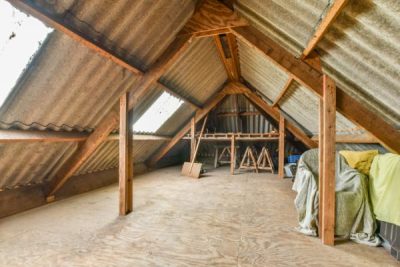
Don’t forget the attic. During a roof replacement, dust and small debris often dislodge from the roof deck and settle in the attic space. Cover any boxes, heirlooms, or stored clothing with plastic drop cloths or old sheets. This simple step saves you from a massive cleaning job later.
Safeguard Your Landscaping and Trees
Your garden is likely a source of pride, and you want it to survive the construction process unscathed. While roofers are generally careful, the sheer volume of material coming off a roof can be hazardous to delicate plants. Mow your lawn a day or two before the project begins; shorter grass makes it much easier for the crew to use magnetic sweepers to find and pick up stray nails during cleanup.
If you have low-hanging tree branches that touch or hang over the roof, trim them back. This gives the roofers clear access and prevents branches from scraping the new shingles. For expensive ornamental shrubs or flower beds located directly under the eaves, consider marking them with bright tape or covering them with a breathable tarp or netting.
Make Arrangements for Children and Pets
A construction site is a fascinating but dangerous place for children and pets. The noise of nail guns, compressors, and footsteps on the roof can be incredibly loud and stressful for animals. For anxious dogs or cats, the constant thumping overhead can be terrifying. It is often best to have pets stay with a friend or relative, or at least keep them contained in a quiet room in the basement or on the lowest level of the home.
Similarly, ensure children understand that the yard is off-limits while the crew is working. Nails can be hard to spot in the grass, and ladders are not for climbing. If you have young children who nap during the day, you might want to plan an outing to the park or library to escape the noise during peak work hours.
Notify Your Neighbors
Being a good neighbor means giving a heads-up when things are about to get noisy. A roof replacement is not a quiet endeavor. Let your immediate neighbors know the scheduled dates for the work. This courtesy allows them to adjust their plans, perhaps moving their cars if they park near your property line or keeping their own pets inside. They will appreciate the warning, and it helps maintain good relationships in the neighborhood.
Identify Accessible Power Outlets
Finally, the roofing crew will need access to electricity for their air compressors and tools. Locate an exterior power outlet that works and ensure it isn’t blocked by bushes or locked gates. If you don’t have an exterior outlet, you may need to run an extension cord through a window or under a garage door. Checking this beforehand prevents delays on the first morning of the job.
Learn how to prepare your home for a roof replacement with practical tips to protect your property, belongings, and ensure a smooth project.
Preparing your home for a roof replacement doesn’t have to be overwhelming. By tackling these tasks a day or two in advance, you protect your property and help the roofing crew work faster and safer. Once the noise stops and the trucks pull away, you’ll be left with a beautiful, secure roof and a home that came through the process without a scratch.
