
When you pull into your driveway after a long day, the exterior of your home is the first thing to greet you. It sets the tone for the entire property, dictating the curb appeal, the architectural style, and the perceived value of your investment. But siding is more than just the “skin” of your house; it is the protective shell that stands between your family and the elements. It must endure baking sun, driving rain, arctic winds, and the occasional stray baseball, all while looking pristine.
Get expert guidance on the best siding for your home—contact a local Philadelphia roofer in Philadelphia today for professional installation and advice.
For decades, the siding market has been dominated by two heavyweights: the versatile, budget-friendly vinyl and the robust, engineered fiber cement. Choosing between them is often the hardest decision a homeowner faces during an exterior renovation. It isn’t simply a matter of picking a color; it is a choice between two distinct material philosophies. One offers ease and economy, while the other offers heft and historical authenticity. To make the right choice for your home, you need to peel back the layers and understand exactly how these materials perform when put to the test.
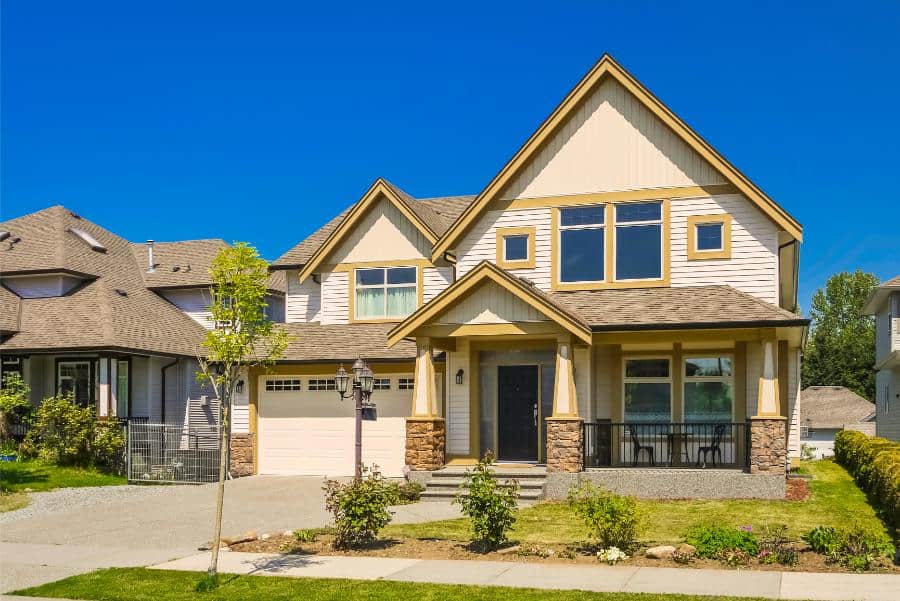
The Battle for Your Home’s Exterior: Plastic vs. Concrete
At their core, these two materials could not be more different. Vinyl siding is a plastic product, primarily made from polyvinyl chloride (PVC). It is lightweight, flexible, and designed to “float” on the side of your house to allow for expansion and contraction. Fiber cement, often recognized by the brand name James Hardie, is a composite material made from wood pulp, sand, water, and Portland cement. It is heavy, rigid, and solid.
This fundamental difference in composition dictates everything from how they look to how they handle a thunderstorm. While vinyl has evolved significantly from the shiny, brittle plastic of the 1970s, it still behaves like plastic. Fiber cement, on the other hand, behaves more like masonry. Deciding which is right for you involves balancing your desire for a specific aesthetic with your tolerance for maintenance and your budget for installation.
The Aesthetic Difference: Depth and Texture
If your primary goal is to mimic the look of traditional wood clapboard without the rot, fiber cement is the clear winner. Because it is a thick, molded product, it can be embossed with a deep, realistic wood grain. When installed, it has a substantial weight that creates deep shadow lines, giving the home a rich, historic character. It holds paint beautifully, offering a matte finish that looks and feels like painted wood. From the curb, it is often indistinguishable from high-end cedar siding.
Vinyl siding has come a long way, with new “architectural” lines offering better textures and low-gloss finishes. However, it is inherently thinner. This means the shadow lines are less pronounced, which can sometimes make the exterior look “flat.” Furthermore, because vinyl panels must overlap to lock together, the seams are visible, especially on long walls. While premium vinyl can look fantastic, it rarely fools the eye into thinking it is real wood in the same way fiber cement does.
Durability and Weather Resistance
When it comes to surviving the elements, both materials are tough, but in different ways. Vinyl is resilient. Because it is plastic, it is impervious to rot and insects. It can bounce back from the impact of a hailstone or a wayward frisbee. However, it has an Achilles’ heel: temperature. In extreme cold, vinyl can become brittle and crack if struck. In extreme heat—such as the reflection from a neighbor’s energy-efficient window or a BBQ grill placed too close—it can warp and melt.
Fiber cement is a tank. It is engineered to withstand everything from blizzards to hurricanes. It is completely rot-proof, termite-proof, and woodpecker-proof. Perhaps its greatest advantage is fire resistance. Fiber cement is non-combustible; it will not ignite when exposed to a direct flame, which can earn you a discount on your homeowner’s insurance. It does not warp or melt, maintaining its structural integrity for decades.
The Maintenance Equation
Here is where vinyl siding strikes back. Vinyl is the undisputed king of “low maintenance.” Because the color is baked through the entire thickness of the panel, it never peels, chips, or flakes. You will never have to scrape or paint a vinyl house. Maintenance involves little more than a garden hose and some soapy water once a year to wash away dust and pollen. For the busy homeowner who wants a “set it and forget it” solution, vinyl is ideal.

Fiber cement is low maintenance, but not no maintenance. Most fiber cement comes with a baked-on factory finish that is guaranteed to last 15 years or more. However, it is a painted product. Eventually, after many years of sun exposure, it will fade and need to be repainted. Additionally, the caulking used to seal the joints around windows and trim must be inspected and occasionally touched up to keep the system watertight.
Installation and Cost Considerations
The price difference between the two can be significant, largely due to the installation process. Vinyl is lightweight and designed with an interlocking system that allows crews to install it rapidly. It is easy to cut and easy to carry, which keeps labor costs down. It is generally the most affordable siding option on the market.
Fiber cement is heavy and brittle before it is installed. It requires specialized cutting tools that manage silica dust, and it takes a larger crew longer to hang it correctly. Because it is a heavy, masonry-based product, the installation is more labor-intensive, driving the price up. Generally, you can expect to pay 30% to 50% more for a fiber cement installation than for vinyl. However, this higher upfront cost is often recouped through increased home value and the incredible longevity of the material.
Upgrade your home’s exterior with durable, affordable vinyl siding and enjoy lasting protection, low maintenance, and improved curb appeal.
Making the Final Decision
Ultimately, the choice comes down to your priorities. If you are looking for a cost-effective, durable solution that frees you from home maintenance chores forever, vinyl is the smart, practical choice. But if you are renovating a “forever home” or a historic property where authentic texture, fire safety, and a premium aesthetic are paramount, fiber cement is an investment that will elevate your home’s presence for generations.
