
Your home’s siding is its first line of defense against the elements. It shields your family from driving rain, heavy snow, blistering sun, and gusty winds, while enhancing your property’s curb appeal. Yet, despite its critical role, siding is often the most overlooked component of a home’s exterior. We tend to install it and forget it, assuming it will perform flawlessly for decades.
Protect your home’s exterior—trust our siding repair contractor in Philadelphia to spot siding issues early and provide expert solutions.
The reality is that even the highest-quality siding materials—whether vinyl, fiber cement, wood, or aluminum—are subject to wear and tear. Over time, small issues can spiral into significant structural damage if left unchecked. By learning to spot the early warning signs of siding failure, you can save thousands of dollars in repairs and preserve your home’s integrity. Here are the most common siding problems every homeowner should know.
The Silent Destroyers: Moisture and Rot
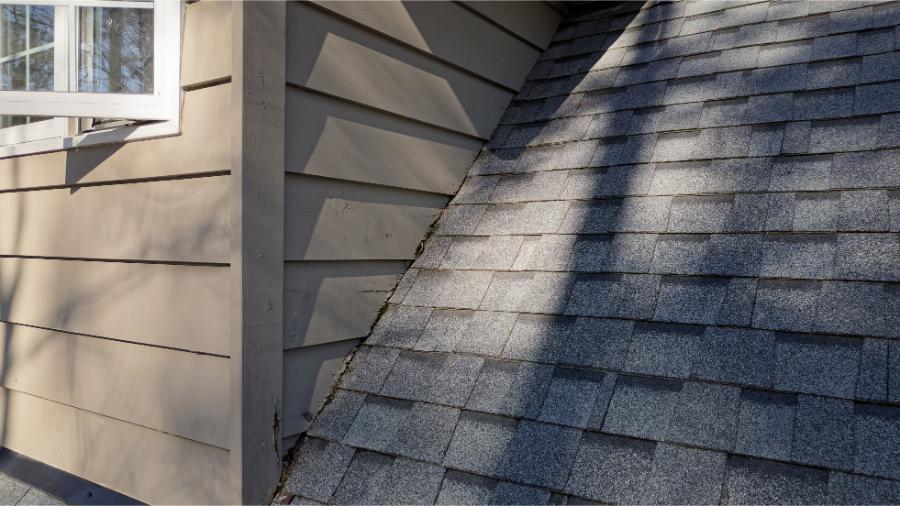
Water is the enemy of any building material, and your siding is constantly in the line of fire. One of the most insidious problems is moisture infiltration. This often starts subtly, with water seeping behind the panels through loose caulk, cracks, or gaps around windows and doors. Once trapped, this moisture becomes a breeding ground for mold, mildew, and rot.
On wood siding, look for soft spots, peeling paint, or green algae growth, particularly on the shaded north side of your house. Gently press a screwdriver into the wood; if it sinks in, there is rot. For vinyl or fiber cement, look for warping or buckling panels, which can indicate that the sheathing beneath has swollen due to water absorption. If you see dark streaks or mold growing on your interior walls, the moisture has likely already breached the exterior barrier, and immediate action is required.
Cracks, Chips, and Holes: The Physical Toll
Physical damage is often the most visible sign of siding distress. Hailstorms, falling branches, and even errant baseballs can leave their mark. Vinyl siding, in particular, can become brittle over time due to UV exposure and temperature fluctuations. A stray rock thrown by a lawnmower can easily punch a hole through an aged vinyl panel.
While a small crack might seem cosmetic, it compromises the waterproofing of the entire system. Insects and water can enter through these openings, leading to hidden damage behind the wall. Inspect your siding closely after any severe storm. Look for hairline fractures, chips in the finish, or holes that look like they were made by a pellet gun. These are entry points that need to be sealed or repaired promptly.
Warping and Buckling: When Siding Loses Its Shape
Siding needs to breathe. As temperatures rise and fall, materials expand and contract. If your siding was nailed too tightly during installation or if the panels were not cut with enough clearance at the ends, this natural movement is restricted. The result is unsightly warping, buckling, or rippling of the panels.
This is not just an aesthetic issue; it can pull the siding away from the wall, breaking the weather seal and allowing water to penetrate. In severe cases, you might hear popping or creaking noises coming from your walls as the siding struggles against its fasteners. If you notice your siding looking wavy or uneven, it may indicate improper installation or thermal stress and requires professional attention.
Fading and Discoloration: The Sun’s Relentless Glare
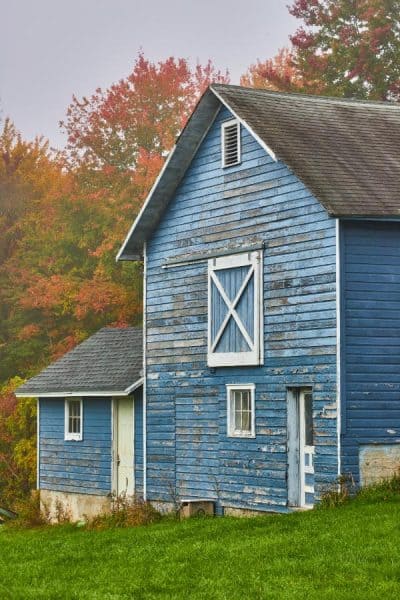 The sun is a powerful force, and its UV rays are constantly attacking your home’s exterior. Over time, even the most vibrant siding colors will fade. While some fading is normal, uneven discoloration can be a red flag. If one side of your house is significantly lighter than the others, it indicates that the protective coating on the siding is breaking down.
Chalking is another sun-related issue, particularly with aluminum and older vinyl siding. This occurs when the pigment in the paint or material degrades, leaving a powdery residue on the surface. You can test for this by wiping your hand across the siding; if it comes away covered in a chalky dust, the material is deteriorating and losing its ability to protect your home.
Pest Infestations: The Unwanted Guests
Your siding can inadvertently become a hotel for local wildlife. Woodpeckers are notorious for drilling holes in wood and cedar shake siding in search of insects. If you hear rhythmic drumming on your house, inspect the exterior for small, perfectly round holes. These openings are an open invitation for moisture and other pests.
Termites and carpenter ants are also drawn to damp, rotting wood behind siding. Look for mud tubes on your foundation or piles of sawdust (frass) near the base of your walls. Even vinyl siding isn’t immune; wasps and bees can build nests behind loose panels, creating a buzzing hazard right outside your window. Regular inspections can help you catch these intruders before they cause extensive structural damage.
Loose or Missing Panels: The Wind’s Fury
High winds can test the grip of even the best-installed siding. If you find a piece of siding lying in your yard after a storm, it is obvious that a repair is needed. However, sometimes the damage is less dramatic. Panels can become unclipped or loose without falling off entirely.
A loose panel will often rattle in the wind or flap against the side of the house. This movement can damage the surrounding panels and expose the underlayment to rain. If you can slide a panel back and forth easily with your hand, or if you see exposed nails, the siding is not secure. Rapidly re-fastening these panels can prevent a domino effect in which one loose piece leads to an entire section being ripped off in the next gale.
High Energy Bills: The Invisible Leak
Sometimes the sign of siding failure isn’t on the wall—it’s in your mailbox. If your heating or cooling bills have spiked unexpectedly, your siding might be to blame. Siding, along with the insulation behind it, plays a crucial role in your home’s thermal envelope. Cracks, gaps, or missing insulation allow conditioned air to escape and drafts to enter.
If you feel a draft near your electrical outlets or windows, it could be a sign that the exterior cladding is compromised. Upgrading to insulated siding or repairing damaged sections can significantly improve your home’s energy efficiency and comfort.
Keep your siding and roof in top shape—hire a reliable Philadelphia roofing contractor in Philadelphia today for expert inspections and repairs.
Maintenance Is Key
The best way to avoid these problems is proactive maintenance. Make it a habit to walk around your home at least twice a year—once in the spring and once in the fall—to inspect your siding. Wash it gently with a garden hose to remove dirt and grime, and keep shrubbery trimmed back to allow airflow. By catching small issues early, you can extend the life of your siding and keep your home looking beautiful for years to come.
