
Prevent further damage and protect your roof—call an asphalt shingles contractor in Philadelphia today for expert asphalt shingle inspection and repair.
Your roof is constantly exposed to the elements, enduring everything from scorching summer sun to freezing winter nights. Over time, this relentless exposure can lead to various forms of wear and tear. One of the most common—and often misunderstood—phenomena is the appearance of small, raised bumps on the surface of asphalt shingles. These are known as blisters.
While they might look like minor cosmetic blemishes from the ground, blisters can be an early warning sign of underlying issues that, if left unchecked, may shorten your roof’s lifespan. Understanding why they form is the first step in determining whether you need a simple repair or a comprehensive roof replacement. Let’s dive into the science behind shingle blistering and what it means for your home.
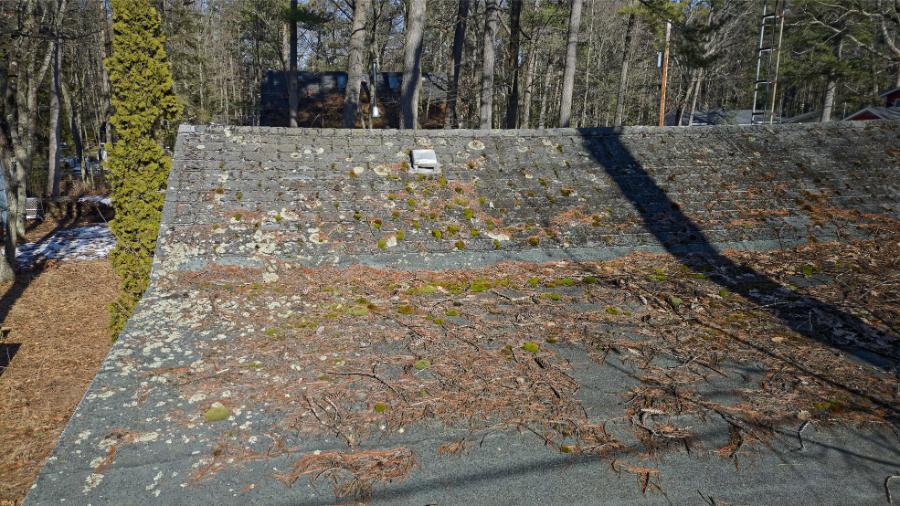
The Science Behind the Bubble: Why Blisters Form
Asphalt shingles are a composite material, typically made of a fiberglass mat coated in asphalt and topped with protective mineral granules. Blistering occurs when pockets of gas or moisture trapped within the shingle expand, pushing the surface outward to create a bubble. Eventually, these bubbles can pop, leaving behind a small crater or “pockmark” where the protective granules are missing. This exposes the underlying asphalt to the sun’s harmful UV rays, accelerating its aging.

Contrary to popular belief, blistering is not always a sign that you need a new roof immediately. However, it is a symptom that the shingles are under stress. There are three primary culprits behind this phenomenon: manufacturing defects, poor ventilation, and the natural aging process.
1. Trapped Moisture During Manufacturing
Sometimes, the root of the problem can be traced back to the factory floor. During the manufacturing process, the fiberglass mat must be completely dry before it is coated with asphalt. If moisture is accidentally trapped within the shingle during production, it creates a ticking time bomb.
Once these shingles are installed on your roof, the sun heats them up. As the temperature rises, the trapped moisture turns into vapor and expands. Because the gas has nowhere to go, it pushes against the asphalt, causing the surface to bubble up. This type of blistering often appears early in a roof’s life, sometimes within the first few years of installation. While modern manufacturing standards have significantly reduced this occurrence, it remains a possibility, especially with lower-quality shingle brands.
2. Poor Attic Ventilation and Excessive Heat
The most common environmental factor that exacerbates blistering is inadequate attic ventilation. Your attic needs to breathe; it requires a balanced system of intake vents (usually at the soffits) and exhaust vents (at the ridge or roof face) to keep air circulating. When this airflow is blocked or insufficient, heat builds up in the attic, turning it into a furnace.
On a hot summer day, a poorly ventilated attic can reach temperatures of up to 150 degrees Fahrenheit. This extreme heat cooks the shingles from the underside while the sun bakes them from above. This “double-baking” effect causes the asphalt to soften excessively and release volatile organic compounds (VOCs) as gases. These gases can become trapped, leading to widespread blistering across the entire roof. Proper ventilation is not just about comfort; it is critical for preserving the chemical integrity of your roofing materials.
3. Natural Aging and Wear
Even the highest-quality roof, installed with perfect ventilation, will eventually succumb to the ravages of time. As asphalt shingles age, they naturally lose their volatile oils, causing them to dry out and become brittle. This process is accelerated in climates with wide temperature swings, where the roof expands and contracts daily.
Old shingles may develop blisters simply as a result of this chemical breakdown. In this context, blistering is often accompanied by other signs of aging, such as curling edges, cracking, and significant granule loss. If your roof is nearing the 20-year mark and you see blisters, it is likely just a sign that the materials have reached the end of their functional lifespan.
Blisters vs. Hail Damage: Knowing the Difference
One of the most critical reasons to understand blistering is to avoid confusing it with hail damage. This distinction is vital for insurance claims. To the untrained eye, a popped blister can look remarkably similar to a hail hit, but insurance adjusters know the difference.
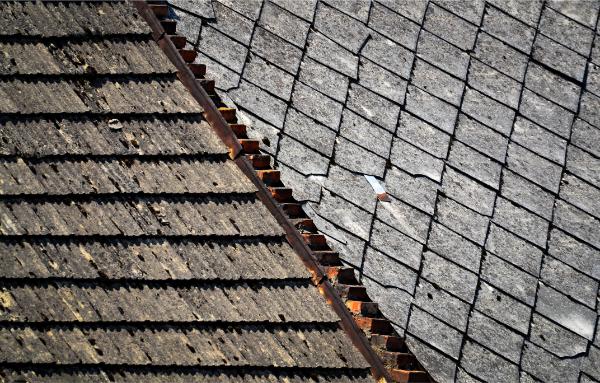
Hail damage typically creates a distinct, round indentation where the impact has bruised the shingle and driven the granules into the mat. It looks like a bruise on an apple. Blisters, on the other hand, protrude outward. When they pop, they leave a steep-sided pit that often reveals the black asphalt beneath, but the surrounding mat is neither bruised nor indented. Misidentifying blisters as storm damage can lead to insurance claims being denied, so it is always wise to have a professional roofer inspect the damage before filing.
What Should You Do If You See Blisters?
Finding blisters on your roof is not necessarily a cause for panic. If the blisters are small and the granules are still intact, the shingle is likely still doing its job. However, once the blisters pop and granules are lost, the clock starts ticking. The exposed asphalt will deteriorate faster, leading to potential leaks.
Stop roof damage in its tracks—contact our roofing professionals in Philadelphia today for expert asphalt shingle repair and prevention.
If you notice blistering, schedule an inspection with a reputable roofing contractor. They can assess whether the issue is widespread or localized. If poor ventilation is the cause, improving your attic’s airflow might slow down the progression of the damage. If the blistering is severe and due to a manufacturing defect, you may have a warranty claim. In any case, ignoring the problem won’t make it go away; proactive maintenance is the key to protecting your home.
