
For most homeowners, the decision to replace a roof is accompanied by a sense of dread—not just about the cost, but about the disruption. Your home is your sanctuary, and the idea of turning it into a loud, dusty construction zone is unappealing. You envision days of hammering, heavy footsteps overhead, and a driveway blocked by a massive dumpster. Naturally, the first question on everyone’s mind is: “How long is this going to take?”
Work with a reliable Philadelphia roofing contractor for repairs, replacements, and inspections that protect your home year-round.
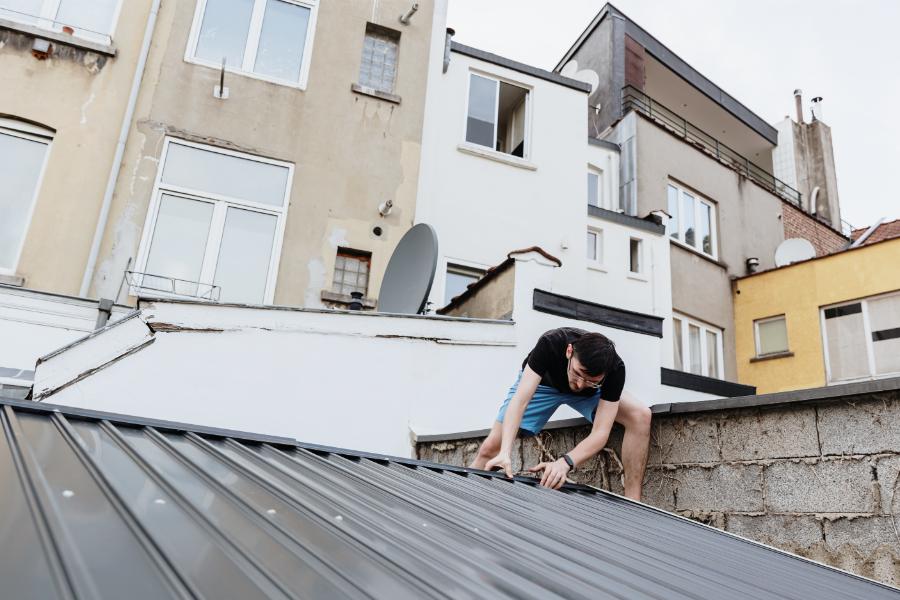
The short answer is comforting: for the average single-family home with asphalt shingles, a professional crew can typically complete the job in one to three days. However, a roof replacement is a major construction project performed in an uncontrolled environment—the outdoors. While speed is a priority, quality and safety are the mandates. Several variables can stretch that timeline from a single day of intense activity to a week-long project. Understanding these factors helps you manage your expectations and plan your life around the work.

Breaking Down the Timeline From Tear-Off to Cleanup
To understand the time commitment, it helps to visualize the choreography of the job. It isn’t just about nailing down new shingles. The process begins with the arrival of the dumpster and the protection of your landscaping. Then comes the “tear-off,” where the old roofing is stripped down to the wooden deck. This is the messiest, loudest, and most labor-intensive phase. Once the deck is exposed, inspected, and prepped with underlayment, the installation of the new materials begins. Finally, there is the meticulous cleanup, where magnetic sweepers scour your lawn for stray nails. If everything aligns perfectly, this flow is seamless. But often, the house—or Mother Nature—has other plans.
The Complexity of Your Home’s Architecture
Not all roofs are created equal. A sprawling, single-story ranch with a low slope and few obstructions is a roofer’s dream; a crew can often strip and reshingle such a house in a single long day. However, if your home is a multi-story Victorian with a steep pitch, multiple dormers, skylights, and a chimney that requires complex flashing, the timeline expands significantly.
Steep roofs require extra safety precautions. Workers cannot simply walk on them; they must set up staging, use harnesses, and move more deliberately to ensure their safety. Every valley, hip, and ridge adds cuts and detail work. If your roof has a complex geometry with many facets intersecting at different angles, the crew spends less time nailing and more time measuring, cutting, and flashing. This intricate craftsmanship is essential for waterproofing, but it inevitably slows the pace of production.
The Unpredictable Nature of Weather
Roofing is perhaps the most weather-dependent trade in construction. A roofer’s schedule is entirely at the mercy of the sky. Ideally, a replacement is scheduled during a stretch of clear, mild days. However, summer storms or winter flurries can pop up unexpectedly. Rain is the ultimate stop-work signal. You cannot install roofing materials on a wet deck, as it traps moisture inside the structure, leading to rot and mold.

If rain begins during the project, the crew must immediately stop installation and focus on “drying in” the roof—covering exposed areas with tarps to protect your interior. This not only halts progress for the duration of the storm but also requires time to set up and take down the protective coverings. Even extreme heat can cause delays; in sweltering temperatures, asphalt shingles can become too soft to walk on without scuffing, forcing crews to work shorter days or start at dawn.
Hidden Damage Beneath the Surface
The biggest “wild card” in any roof replacement is the condition of the roof decking—the plywood or wooden planks that support the shingles. When the estimator walks your roof beforehand, they can only see the top layer. They cannot see if a slow leak has been rotting the wood underneath for years.
Once the old shingles are torn off, the truth is revealed. If the crew discovers soft, rotted, or delaminated wood, they cannot simply nail new shingles over it. The bad wood must be cut out and replaced to ensure the new roof has a solid foundation. Replacing a few sheets of plywood adds minimal time, but if the damage is structural or widespread, it can add an entire day to the project. This is a necessary delay; installing a new roof on bad decking is like building a house on a swamp.
Material Choice Matters
The material you choose dictates the installation method. Asphalt shingles are engineered for speed and efficiency; they are lightweight, easy to cut, and installed with pneumatic nail guns. This is why an asphalt roof is usually a 1-3 day job.
However, if you are upgrading to a premium material like metal, slate, or tile, throw the standard timeline out the window. A standing seam metal roof requires precise panel alignment and specialized clipping systems. Natural slate or clay tile is heavy and fragile, requiring manual handling and often individual fastening. These premium systems are artisan installations rather than rapid production jobs, often taking a week or more to complete properly.
The Size and Skill of the Crew
Finally, the human element plays a role. A reputable roofing company will send a crew sized appropriately for your roof—typically 5 to 8 workers. A larger crew can strip the roof faster and have multiple installers working on different sections simultaneously. However, there is a point of diminishing returns; too many people on a roof can be dangerous and chaotic. A well-oiled crew that has worked together for years moves with a rhythm and efficiency that can shave hours off the job compared to a disjointed team.
Learn how long a typical roof replacement takes, what factors affect the timeline, and tips to ensure a smooth and efficient project.
Ultimately, while you want the noise to stop and the trucks to leave, you should never wish for a rushed job. A roof replacement is a precise construction project that protects your biggest investment. If the crew takes an extra half-day to ensure the flashing around your chimney is perfect or to clean every last nail from your flowerbed, that is time well spent.
