
Discover the lasting beauty of slate roofing—consult a skilled slate roofing contractor Philadelphia today for expert installation and maintenance.
In the world of architecture, few materials command as much respect and admiration as natural slate. For centuries, this metamorphic rock has been the crowning glory of castles, cathedrals, and stately homes across the globe. Its dark, textured elegance speaks of permanence and prestige, a silent testament to the craftsmanship of a bygone era. Yet, slate is not just a relic of the past; it remains one of the most sought-after roofing materials today, prized for its unparalleled longevity and timeless beauty.
To understand the true value of a slate roof, one must look beyond its surface. It is a material forged by the earth itself, shaped by millions of years of heat and pressure, and refined by human hands for over a millennium. From the misty quarries of Wales to the historic rooftops of New England, the story of slate is a journey through history, geology, and engineering.
A Legacy Carved in Stone: The Origins of Slate Roofing
The use of slate as a roofing material dates back to at least the 13th century in North Wales, although some historians believe the Romans may have used it even earlier. Initially, it was a luxury reserved for the elite. The sheer weight of the stone required massive timber framing to support it, and the labor-intensive process of quarrying and splitting the rock by hand made it prohibitively expensive for the common man.

However, the Industrial Revolution changed everything. With the advent of steam engines and railways in the 19th century, slate could be transported from the rich veins of Wales and Spain, and later from the slate belts of Vermont and Pennsylvania, to booming cities around the world. Suddenly, this “stone of kings” was protecting the row houses of London and the farmhouses of America. It became the standard for durability, covering everything from humble cottages to grand government buildings.
The Science of Durability: Why Slate Lasts Forever
What makes slate so incredibly durable? The answer lies in its geology. Slate is a fine-grained, foliated metamorphic rock derived from shale. Millions of years of intense subterranean pressure have aligned its minerals into parallel layers, allowing it to be split smoothly into thin, flat sheets. This natural cleavage is what makes it perfect for roofing tiles.
Unlike asphalt shingles that dry out and crack under the sun, or wood shakes that rot in the rain, slate is virtually impervious to the elements. It is non-porous, meaning it absorbs almost no water. This makes it immune to the freeze-thaw cycles that destroy other masonry materials. It is also fireproof, wind-resistant, and unaffected by UV radiation. A high-quality slate roof doesn’t just last for decades; it lasts for generations. It is not uncommon to find slate roofs in Europe that are still performing perfectly after 200 years.
Varieties and Aesthetics: A Roof with Character
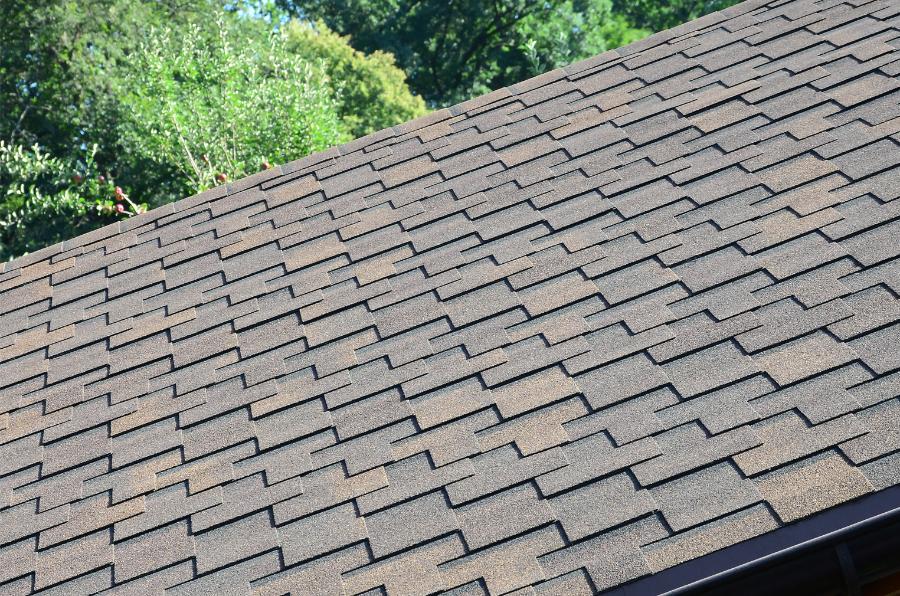
One of the most captivating aspects of slate is its natural variation. No two slate tiles are exactly alike. Depending on the rock’s mineral composition, slate can range in color from classic charcoal and blue-gray to vibrant shades of purple, green, and even red. Some slates, known as “unfading,” retain their original color throughout their lifespan. Others, called “weathering” slates, will slowly change color over time, developing rich earthy tones of buff, brown, and tan as they are exposed to the atmosphere.

This natural weathering process adds a depth of character that synthetic materials simply cannot replicate. A slate roof is a living part of the building, evolving with it. The texture, too, plays a role. The rough, hand-split surface of the tiles catches the light in different ways throughout the day, creating a dynamic interplay of shadow and stone that adds immense curb appeal to any structure.
The Investment: Cost vs. Value
There is no denying that a slate roof is a significant financial investment. The material itself is expensive, and the installation requires specialized skills that are becoming increasingly rare. A slate roofer is more of a mason than a carpenter, carefully sorting and grading each tile by thickness to ensure a proper fit. The roof deck must be reinforced to handle the weight, which can be four times that of a standard asphalt roof.
However, when viewed through the lens of longevity, slate is arguably the most cost-effective roofing material on earth. While an asphalt roof may need to be replaced three or four times in a century, a single slate roof will still be going strong. It significantly increases a home’s resale value and often lowers insurance premiums due to its fire resistance. It is a “once-in-a-lifetime” purchase that pays dividends for decades.
Maintenance: The Key to Longevity
Despite its durability, a slate roof is not maintenance-free. The weak link is rarely the stone itself, but the flashings and fasteners. Copper or galvanized nails can corrode over 50 or 60 years, allowing tiles to slip. Metal valleys and chimney flashings can wear out long before the slate does. Regular inspections by a qualified slate specialist are essential to catch these issues early. A slipped slate is a simple repair; a neglected leak can rot the roof deck and compromise the entire system.
Invest in a roof that lasts—hire a top-rated Philadelphia slate roofing service today for expert slate roofing installation and care.
Owning a slate roof is a responsibility, but it is also a privilege. It is a connection to a tradition of craftsmanship that values quality over convenience and permanence over disposability. For those who choose it, a slate roof is more than just shelter; it is a legacy written in stone.
