
Snow Load Can Impact Roof Structure
Protect your roof from heavy snow damage. Hire a trusted Philadelphia roofing repair contractor in Philadelphia today for expert assessment and reinforcement solutions.
There is a certain magic to the first heavy snowfall of the season. It transforms the landscape into a pristine, white wonderland, muffling the noise of the outside world and inviting us to curl up by the fire. However, while we enjoy the cozy atmosphere indoors, our homes face a significant physical challenge outdoors. That picturesque blanket of white resting atop your house is not just a festive decoration; it is a massive structural burden.
For homeowners in northern climates, “snow load” is a term that carries serious weight, literally. While residential roofs are engineered to withstand the rigors of winter, every structure has a breaking point. Understanding the physics of snow accumulation and how it interacts with your home’s framing is essential for preventing costly damage. It is not just about the risk of collapse; it is about the subtle, cumulative stress that can compromise your home’s integrity long after the snow has melted.
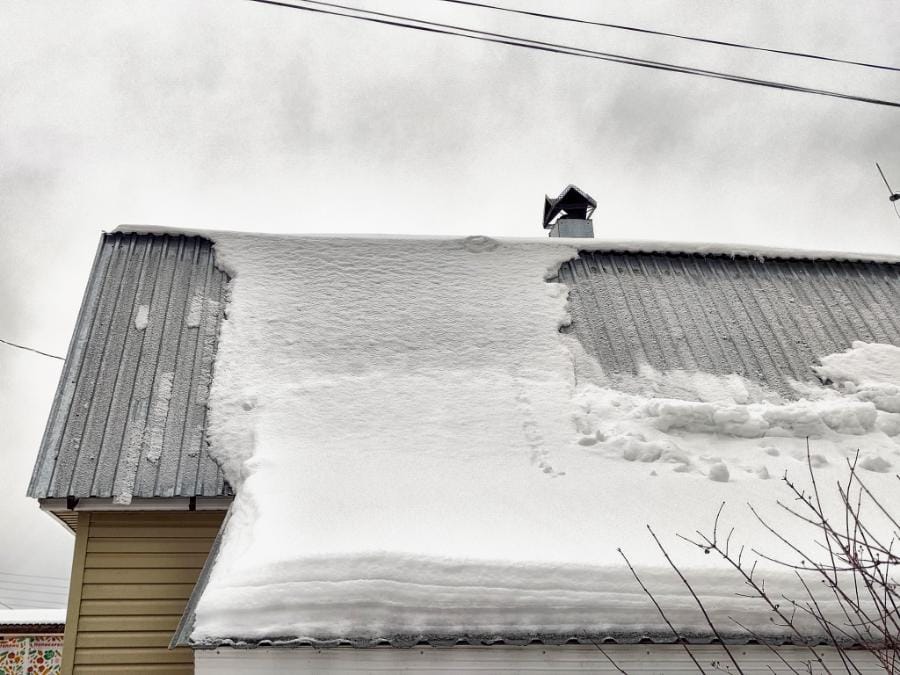
Understanding the Weight: It Is Not Just Frozen Rain
When we look out the window, we see fluffy, soft flakes. It is easy to forget that water, even in frozen form, is incredibly heavy. The impact of snow load depends entirely on the density of the precipitation. There is a world of difference between the light, powdery “champagne” snow that skiers love and the heavy, wet slush that often falls during warmer winter storms.
Fresh, dry snow typically weighs about three to five pounds per square foot. However, wet, heavy snow can weigh upwards of 20 pounds per square foot. To put that in perspective, if your roof is covered in two feet of wet snow, it could be supporting the equivalent weight of two mid-sized SUVs parked on your shingles. This immense pressure pushes down on your trusses, rafters, and decking, testing the limits of the wood and fasteners that hold your roof together.

The Danger of “Old Snow” and Ice
The problem with snow load is rarely caused by a single storm; it is the accumulation over time that creates the danger. As snow sits on your roof, it goes through cycles of melting and refreezing. The bottom layer compresses into dense ice, while new snow piles on top. This “old snow” acts like a sponge. When rain falls on top of a snowpack, the snow absorbs the water rather than letting it run off. This can instantly double the weight on your roof structure without adding any visible height to the snow pile.
Ice is the heavyweight champion of winter threats. A single cubic foot of ice weighs nearly 60 pounds. If your gutters are clogged or your attic is poorly insulated, ice dams can form at the eaves. These ridges of solid ice not only add tremendous localized weight to the overhangs, the weakest part of the roof, but they also prevent melting snow from draining, creating a reservoir of heavy, standing water on your roof.
Signs Your Roof Is Under Stress
Your house will often tell you when it is struggling under the weight of winter, but you have to know how to listen and look. The signs of structural stress aren’t always visible from the outside. Inside your home, pay attention to the sounds. A wood-framed house will naturally contract and expand with temperature changes, but loud popping, cracking, or creaking sounds coming from the ceiling or attic can indicate that the timbers are bowing under excessive load.
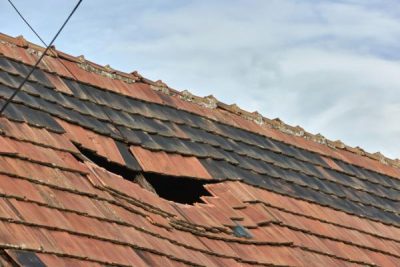
Visually inspect your interior doors and windows. If a bedroom door that usually swings freely suddenly starts sticking or rubbing against the frame, it suggests the header above the door has shifted under the downward pressure of the roof. In severe cases, you might see new cracks appearing in the drywall or plaster around the corners of door frames, or visible sagging in the ceiling plasterboard. These are red flags that the home’s structural integrity is being compromised.
The Uneven Burden of Drifting
Snow rarely falls evenly. Wind is a major factor in how snow load is distributed across your roof structure. On a windy night, snow can be scoured off the windward side of the roof and deposited in deep drifts on the leeward side or in roof valleys. This creates an unbalanced load.
Architectural features like dormers, lower roof tiers, and attached garages are prime targets for drifting. A four-foot drift against a second-story wall puts an enormous amount of concentrated weight on a small section of the lower roof. This localized stress can cause rafters to crack or decking to shear, even if the rest of the roof has a manageable snow load.
Long-Term Structural Fatigue
Even if your roof doesn’t collapse (which is a rare but catastrophic event), repeated heavy snow loads can cause “creep.” This is the permanent deformation of building materials under sustained stress. Over years of heavy winters, rafters can develop a permanent bow or sag. This swayback appearance isn’t just cosmetic; it changes the roof’s pitch, making it harder for water to shed and easier for snow to accumulate.
Furthermore, the constant heavy weight can compress insulation and distort the flashing around chimneys and vents. When the snow finally melts, these distorted areas become entry points for water, leading to rot, mold, and water damage that weakens the structure from the inside out.
Managing the Load Safely
The key to protecting your home is proactive monitoring. If you notice excessive accumulation, generally more than two feet of dry snow or one foot of wet snow, it may be time to act. However, safety is paramount. Never climb onto a snow-covered roof; the risk of slipping is too high, and your added weight could be the straw that breaks the camel’s back.
Ensure your roof withstands heavy snow. Work with a trusted Philadelphia roofer in Philadelphia today for expert inspections and protection.
Use a long-handled roof rake with a telescoping arm to gently pull snow off the roof edges while standing safely on the ground. You don’t need to remove every snowflake; simply relieving the weight from the overhangs can significantly reduce the stress on the structure. For multi-story homes or severe ice buildup, always hire a professional roofing contractor. They have the safety harnesses, steam equipment, and expertise to remove the weight without damaging the shingles or the structure beneath.
