
Avoid costly mistakes—hire a local Philadelphia shingle contractor today for expert guidance on installing new shingles.
When the time comes to replace your roof, the price tag can be a shock. In the search for a more budget-friendly solution, many homeowners stumble upon an option that seems too good to be true: a roof overlay. Also known as “reroofing,” this process involves nailing a new layer of shingles directly over your existing shingles, skipping the messy and expensive tear-off phase.
On paper, it sounds like a win-win. You save money on labor and disposal fees, and the job gets done in half the time. But as with most shortcuts in home improvement, there is more to the story. While a roof overlay is a legal and valid roofing method in many jurisdictions, it is not always the wisest investment for your home. Before you sign on the dotted line, it is crucial to peel back the layers and understand exactly what you are getting into.
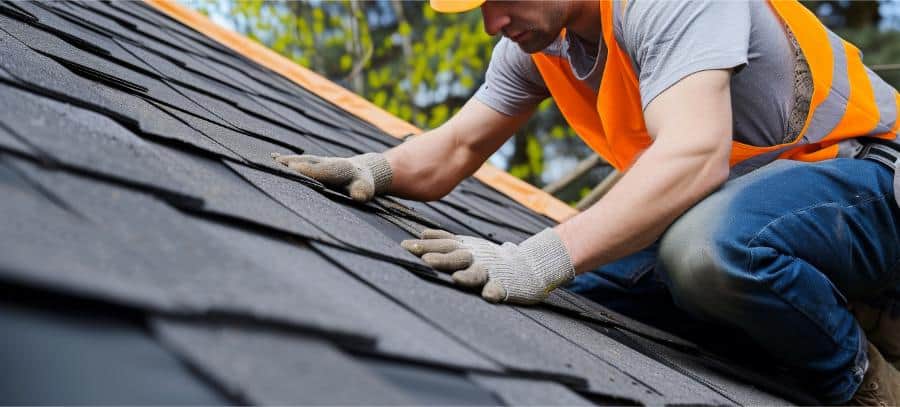
What Is a Roof Overlay and Why Do People Choose It?
A roof overlay is exactly what it sounds like: a second skin for your roof. Instead of stripping the roof down to the wooden deck, the roofer installs new asphalt shingles right over the old, worn-out layer. The primary appeal is almost always financial. By eliminating the labor-intensive tear-off process and the cost of renting dumpsters to haul away tons of debris, you can typically 20% to 25% off the total cost of the project.
Speed is another factor. Because the crew doesn’t have to remove the old material, your home is exposed to the elements for a shorter period, and the noise and disruption of construction are significantly reduced. For a homeowner on a tight budget or a tight timeline, these benefits can be very persuasive.
The Hidden Danger: What Lies Beneath?
The most significant drawback of an overlay is that it leaves the roof deck uninspected. The wooden sheathing under your shingles is the structural foundation of your roof. Over the past 20 years, it may have suffered from small leaks, condensation, or rot that aren’t visible from the ground or the attic. When you tear off the old roof, you expose this deck, allowing the roofer to replace any soft or rotted wood.
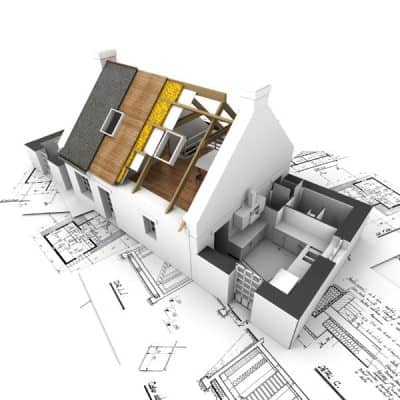
When you overlay, you are blindfolding your contractor. If there is a patch of rotting wood near a chimney or a valley, it gets covered up and forgotten. You are essentially putting a fresh bandage over an infected wound. Over time, that rot can spread, leading to structural sagging or leaks that are much harder to trace and repair because they are buried under two layers of roofing.
The Weight of the Matter
Asphalt shingles are heavy. A single layer of roofing can weigh between 200 and 300 pounds per “square” (a 10×10-foot area). When you add a second layer, you are doubling the dead load on your roof trusses. While most modern homes are built to withstand this weight, older homes or those in areas with heavy snow loads might be pushed to their limit.
This extra weight can cause the roof decking to sag between the rafters over time. If you live in an area with significant snowfall, the combined weight of two layers of shingles plus two feet of wet snow could pose a structural risk. Most building codes strictly limit roofs to two layers for this very reason; if you already have two layers, a complete tear-off is mandatory.
Heat and Lifespan: The “Oven Effect”
Your roof needs to breathe. A standard roof dissipates heat through ventilation and radiation. However, multiple layers of shingles act as a thick thermal blanket, trapping heat in the system. This creates what roofers call the “oven effect.” The new top layer of shingles is heated by both the sun above and the retained heat from the old shingles below.
This excessive heat accelerates the aging of the asphalt. The shingles can become brittle, curl, and lose their protective granules much faster than they would on a single-layer roof. As a result, an overlay roof typically lasts about 15-20% less time than a tear-off roof. You might save money upfront, but you will likely be paying for another roof sooner than you planned.
Aesthetic Compromises: The “Telegraphing” Issue
If you are looking for that crisp, clean, architectural magazine look, an overlay might disappoint you. Shingles are designed to lie flat on a smooth surface. When you install them over an uneven, bumpy layer of old shingles, the new layer often conforms to the irregularities of the layer below. This is known as “telegraphing.”
Lumps, bumps, and curled edges from the old roof can show through the new one. The new shingles may not seal down as neatly, resulting in a wavy or textured appearance rather than a sleek, uniform finish. This can affect your home’s curb appeal and, by extension, its resale value.
The Verdict: When Is an Overlay a Good Idea?
Despite the downsides, a roof overlay isn’t always the wrong choice. It can be a viable option if the existing roof is in relatively good condition (lying flat, no curling), there are no known leaks or decking issues, and money is a major constraint. It is often used as a cost-effective solution for rental properties, detached garages, or by homeowners who plan to move in the near future and want to spruce up the exterior without a massive capital outlay.
Ensure a durable, long-lasting roof—trust your Philadelphia roofing contractor in Philadelphia today for expert shingle installation and advice.
However, if this is your “forever home,” or if you want the peace of mind that comes with a full manufacturer’s warranty (which is often voided or limited on overlays), a complete tear-off is the superior choice. It allows you to inspect the deck, install modern ice-and-water shields, and ensure your home is protected for the next 30 years without any hidden surprises.
