
Work with a reliable Philadelphia roofing repair contractor for repairs, replacements, and inspections that protect your home year-round.
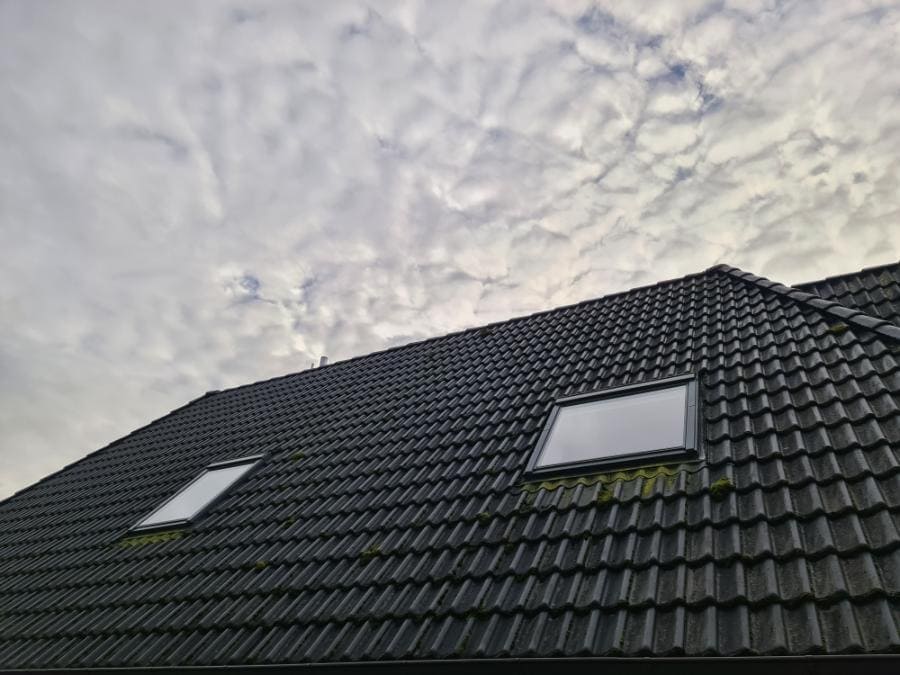
There is something undeniably magical about a skylight. It transforms a dark, enclosed hallway into a sun-drenched corridor and turns a standard bathroom into a private spa where you can watch the clouds drift by while soaking in the tub. They are our windows to the heavens, bridging the gap between our sheltered interiors and the natural world above. However, unlike a standard vertical window protected by eaves and overhangs, a skylight lives a harsh life. It lies flat against the sky, taking the direct brunt of every hailstorm, the baking intensity of the noon sun, and the relentless soaking of spring rains.
Because of this extreme exposure, skylights do not last forever. While a quality roof might protect your home for 30 years or more, the average lifespan of a skylight is typically closer to 15 to 20 years. As they age, they gradually shift from a beautiful architectural feature to a potential liability. Identifying the subtle signs of failure early can save you from ruined drywall, rotted framing, and expensive energy bills. Here is how to know when it is time to retire your view of the sky.
Recognizing When the Light Fades, and Problems Begin
Skylight failure is rarely a sudden, catastrophic event. It is usually a slow decline. The seals dry out, the glass loses its clarity, and the flashing corrodes. To catch these issues, you need to look at your skylights with a critical eye, both from the inside looking up and, if safely possible, from the outside looking down. If you notice any of the following symptoms, it is likely time to call a professional.

1. Condensation Between the Panes
Modern skylights are engineering marvels, typically consisting of two panes of tempered glass separated by a layer of inert gas, like argon. This gas acts as an invisible blanket of insulation. The edges are sealed tight to keep the gas in and the moisture out. However, over the years of expanding in the summer heat and contracting in the winter cold, that seal can eventually fail.
When the seal breaks, moisture-laden air seeps into the space between the glass panes. You will notice a “foggy” or milky appearance that cannot be wiped away from the inside or outside. This isn’t just a cosmetic annoyance that ruins your view of the stars; it is a sign that the skylight’s insulating value is gone. Your energy efficiency has been compromised, and heat is now passing freely through the unit.
2. Cracks, Crazing, and Yellowing
If you have older skylights, they might be made of acrylic or polycarbonate domes rather than glass. While durable, plastic degrades over decades of ultraviolet radiation. Over time, these domes will turn a sickly yellow or cloudy amber color, blocking the very light they were meant to admit.
More concerning is a phenomenon called “crazing.” This looks like a network of tiny spider-web cracks across the material’s surface. It indicates that the plastic has become brittle and lost its structural integrity. In a hailstorm or under a heavy snow load, a crazed skylight is significantly more likely to shatter. Even on glass skylights, look for hairline fractures at the corners, which are often caused by thermal stress and are precursors to leaks.
3. Water Stains and Drywall Damage
The most obvious sign of failure is water intrusion, but it doesn’t always look like a drip. Often, a failing skylight manifests as a slow, subtle leak. Look at the drywall around the skylight shaft. Do you see bubbling paint? Is there a faint yellow or brown ring spreading on the ceiling?

These stains indicate that water is getting past the flashing—the metal collar that seals the skylight to the roof. Flashing is the Achilles’ heel of any skylight installation. Over time, the metal can rust, or the sealant can dry out and crack. If you see water stains, do not ignore them. The water is likely traveling along the rafters and rotting the wood structure of your roof long before it ruins your paint.
4. Drafts and Temperature Fluctuations
Stand directly underneath your skylight on a cold winter day or a hot summer afternoon. Does the temperature change drastically? If you feel a distinct draft of cold air on your shoulders, or if the area feels like a heat lamp has been turned on, the unit is failing.
This could be due to worn-out weatherstripping allowing air to infiltrate, or simply because older, single-pane units lack the “Low-E” (low emissivity) coatings found on modern glass. Replacing these energy vampires with new, energy-efficient models can significantly lower your heating and cooling costs, often paying for themselves over time.
Learn the signs your skylights need replacing, from leaks to fogging, and protect your home with expert advice from Paragon Exterior.
5. The “While You’re At It” Rule
Finally, the best time to replace a skylight is often dictated by your roof, not the window itself. If you are planning a full roof replacement, it is almost always recommended to replace the skylights at the same time, even if they look “okay.”
Re-flashing an old skylight to a new roof is difficult and risky. The jarring vibration of tearing off old shingles can break the seals on an aging skylight, causing it to leak shortly after the new roof is installed. By replacing them together, you ensure the flashing integrates perfectly with the new shingles and reset the clock on both systems simultaneously, guaranteeing a watertight seal for decades to come.
