
Solar roofing services in Philadelphia, specifically the rise of Building-Integrated Photovoltaics (BIPV) and solar shingles, represent the next frontier in sustainable living. Unlike traditional solar panels that are bolted onto an existing roof, integrated solar becomes the roof itself. This distinction is not merely aesthetic; it unlocks a host of environmental benefits that go beyond simple electricity generation. By merging the weatherproofing layer with the energy-generating layer, homeowners can drastically reduce their ecological footprint in ways that standard retrofits cannot match.
For centuries, the primary function of a roof has been singular and passive: to act as a shield. Its job was to sit stoically atop our homes, repelling rain, enduring snow, and blocking the wind. It was a sunk cost, a necessary defensive layer that slowly degraded under the sun’s UV rays. However, we are currently witnessing a paradigm shift in residential construction. The roof is waking up. It is transforming from a dormant protective shell into an active, productive asset.
Protect your home with expert care—trust our roofing professionals in Philadelphia today for reliable inspections, repairs, and installations.
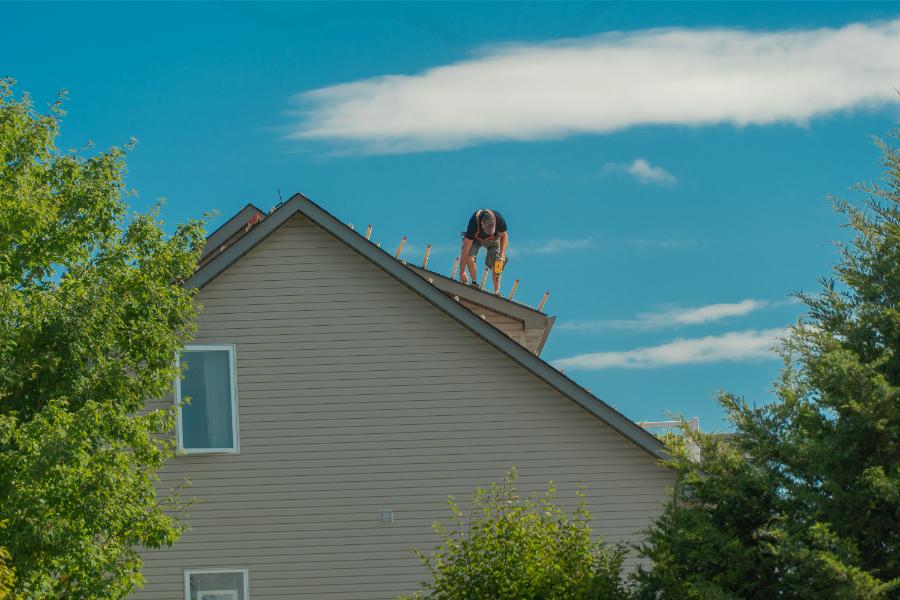
Redefining the Roof: From Passive Shelter to Clean Power Plant
To understand the environmental impact, we must first look at the materials. A traditional roof replacement is a resource-intensive process. It involves stripping tons of asphalt shingles—petroleum-based products—and hauling them to a landfill, only to replace them with new petroleum-based products that will eventually meet the same fate. Solar roofing integration interrupts this cycle of waste.

By installing a solar roof, you are essentially killing two birds with one stone. You are installing a durable, waterproof barrier and a clean energy power plant simultaneously. This holistic approach changes the math on sustainability, turning the most exposed surface of your home into an engine for environmental restoration.
Drastically Reducing Your Carbon Footprint
The most immediate and measurable benefit of solar integration is the reduction of greenhouse gas emissions. Most residential electricity is still generated by burning fossil fuels—coal and natural gas—at massive, centralized power plants. This process releases tons of carbon dioxide and other pollutants into the atmosphere annually.
When your roof generates its own power, you are effectively severing your reliance on this carbon-heavy supply chain. A typical residential solar array can offset over 100 tons of carbon dioxide over its lifetime. That is the equivalent of planting thousands of trees or taking several cars off the road permanently. With integrated solar roofing, this clean energy production happens silently and invisibly, without the need for additional land use or industrial infrastructure.
Minimizing Material Waste and Manufacturing Impact
One of the unsung environmental benefits of integrated solar roofing is material efficiency. In a traditional “rack-and-panel” setup, you first buy a complete asphalt roof, and then you buy aluminum racking and glass panels to mount on top of it. You are effectively paying for—and manufacturing—two separate systems to cover the same square footage.
Integrated solar shingles eliminate this redundancy. The solar shingle is the roof. It serves as the water barrier and the generator. This means you are not manufacturing thousands of pounds of asphalt shingles only to cover them up. You are reducing the raw materials required for construction, cutting down on the transportation emissions associated with shipping heavy roofing materials, and ultimately sending less waste to the landfill when the roof reaches the end of its life.
Combating the Urban Heat Island Effect
Cities and suburbs are significantly hotter than rural areas, a phenomenon known as the Urban Heat Island effect. This is largely caused by dark surfaces—like asphalt roads and black roofs—absorbing the sun’s energy and radiating it back as heat. A traditional dark roof can reach temperatures of 160 degrees Fahrenheit on a summer day, heating the surrounding air and forcing air conditioners to work harder.

Solar roofing integration helps mitigate this. Photovoltaic cells are designed to absorb sunlight and convert it into electricity, rather than simply absorbing it as heat. By turning that solar radiation into current to run your refrigerator or charge your car, the roof stays cooler than a standard asphalt surface. This lowers the ambient temperature around your home, reducing the collective strain on the neighborhood’s microclimate.
Supporting Grid Stability and Resilience
The environmental impact of solar roofing extends beyond your property line. Our aging electrical grid loses a significant amount of energy during transmission; electricity generated at a distant power plant dissipates as it travels miles of wire to reach your outlet. This is known as “line loss.”
By generating power right where it is consumed—on your roof—you eliminate these transmission losses. Furthermore, distributed solar energy helps stabilize the grid during peak demand times, such as hot summer afternoons when everyone is running their AC. By feeding excess clean energy back into the grid, you help prevent the need for utility companies to fire up “peaker plants”—inefficient, dirty backup generators used to prevent blackouts. Your roof becomes a node of resilience, supporting the community and reducing the overall demand for dirty energy.
Ready to go green and save on energy bills? Explore the benefits of solar roofing integration and upgrade your home with sustainable, long-term solutions today.
A Legacy of Durability
Finally, sustainability is about longevity. The most environmentally friendly product is the one you don’t have to replace. Traditional asphalt roofs often need replacement every 20 years. Integrated solar roofing systems, particularly those using tempered glass and durable composites, are often engineered to last 30 years or more. By extending the lifespan of the roof, we reduce the frequency of reroofing projects, thereby reducing the manufacturing, shipping, and disposal impacts associated with the construction industry. It is a long-term investment in a cleaner, more efficient future.
