
Work with a reliable Philadelphia roofing contractor for repairs, replacements, and inspections that protect your home year-round.
When you admire a home from the street, your eyes are naturally drawn to the shingles. Whether they are slate-gray architectural asphalt, rustic cedar shakes, or sleek standing-seam metal, the shingles get all the glory. They are the home’s aesthetic face, the armor that takes direct hits from hail and wind. However, beneath that visible layer lies a component that is arguably even more critical to your house’s long-term health. It is a layer you will likely never see again once the project is finished, yet it works silently every day to keep your living room dry.
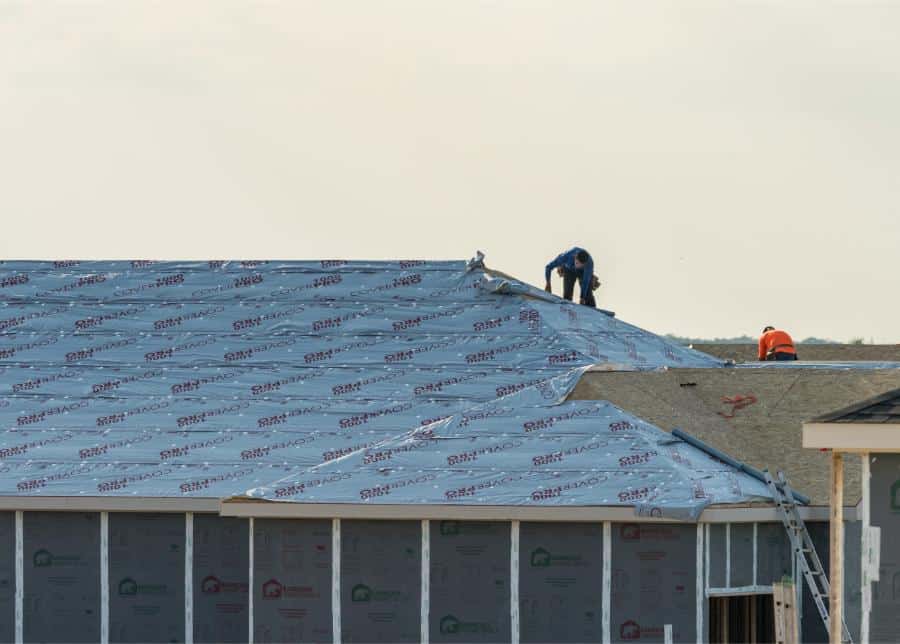
This unsung hero is the roofing underlayment. Often dismissed as just “tar paper” or a simple accessory, underlayment is actually the foundation of a modern roofing system. It serves as the final barrier between the elements and the vulnerable wooden skeleton of your home. To understand why a roof is an investment rather than just a purchase, you must understand the vital role this thin, durable membrane plays in the war against water.

More Than Just a Backup Plan: The Anatomy of Protection
To understand underlayment, you have to understand the limitations of shingles. Shingles are designed to be “water-shedding,” not “waterproof.” They rely on gravity and slope to guide rainwater down the roof and into the gutters. However, nature does not always cooperate with gravity. High winds can blow rain horizontally, forcing it up and under the shingles. Snow can accumulate and melt slowly, creating standing water. Without a secondary layer of protection, this moisture would touch the plywood roof deck, leading to rot, mold, and eventual structural failure.
Underlayment is installed directly onto the wooden roof deck before the shingles are laid. It acts as a comprehensive, watertight seal that catches any water that manages to bypass the primary defense. It is the goalie of the roofing system—when the defense fails, the underlayment is there to make the save.
The Evolution from Felt to Synthetic
For decades, the industry standard was asphalt-saturated felt, commonly known as “tar paper.” This black, organic material was heavy, prone to tearing, and would absorb moisture over time, causing it to wrinkle. While it served its purpose, modern technology has revolutionized this layer of the roof.
Today, most high-quality roofs utilize synthetic underlayment. Woven from polypropylene or polyethylene, this material is a marvel of engineering. It is incredibly lightweight yet virtually impossible to tear by hand. Unlike felt, it does not absorb water or wrinkle, ensuring that the shingles laid on top of it sit perfectly flat. For the homeowner, synthetic underlayment offers superior peace of mind; it is UV-resistant and can remain exposed to the weather for weeks without degrading, meaning your home is protected even if the roofing project is paused due to a sudden storm.
The Heavy Artillery: Ice and Water Shield
In vulnerable areas of the roof, standard underlayment isn’t enough. Valleys (where two roof slopes meet), eaves, and penetrations like chimneys and skylights are high-risk zones for leaks. In these areas, roofers use a specialized underlayment called “Ice and Water Shield.”
This is a rubberized asphalt membrane with a peel-and-stick adhesive backing. When it is rolled onto the wooden deck, it bonds aggressively, creating a watertight seal that is nearly impossible to remove. Its most magical property, however, is its ability to self-seal. When a roofing nail is driven through this membrane to hold a shingle, the rubberized asphalt constricts around the nail head, gasket-sealing the puncture. This prevents water from seeping down the nail and rotting the wood below, a crucial defense against hydrostatic pressure from ice dams.
Protecting the Deck During Installation
A roof replacement is a major construction project that leaves your home temporarily naked. Once the old shingles are torn off, your roof deck is exposed to the sky. In the unpredictable climate of a typical summer afternoon, a sudden thunderstorm can pop up out of nowhere. Underlayment provides immediate “dry-in” protection.

A skilled crew will strip the roof and immediately install the underlayment. Once this layer is down, the house is watertight, even before a single new shingle is nailed. This allows the crew to work in sections without rushing, ensuring a quality installation without risking damage to your drywall if rain begins to fall. It turns a frantic race against the weather into a controlled, professional process.
Separating Chemicals and Resins
Wood is a natural material that releases resins and saps over time. Asphalt shingles are petroleum-based products. When these two materials come into direct contact, chemical reactions can occur that degrade the shingles or cause them to stick to the deck, making future repairs a nightmare. Underlayment acts as a neutral buffer zone, chemically separating the wood from the asphalt. This ensures that the shingles can expand and contract with thermal changes without binding to the deck, preventing cracking and blistering.
Discover the role of underlayment in a roofing system, how it protects against water damage, and why it’s essential for roof durability and longevity.
The Key to Your Warranty
Finally, underlayment is often the golden ticket to your manufacturer’s warranty. Major roofing manufacturers view the roof as a complete “system,” not just a collection of parts. To qualify for their extended or lifetime warranties, they often require that you use their specific brand of underlayment and install it according to strict guidelines. By skipping this step or opting for a cheaper, generic felt, you might inadvertently void the warranty on your expensive new shingles. Investing in quality underlayment is the best way to ensure your roof is covered—both physically and legally—for decades to come.
