
Work with a reliable Philadelphia roofing contractor for repairs, replacements, and inspections that protect your home year-round.
There are few sounds more unsettling to a homeowner than the rhythmic, persistent drip, drip, drip of water inside the house while a storm rages outside. It often happens at the worst possible moment—in the middle of the night, during a holiday dinner, or right after you’ve finally drifted off to sleep. The realization that your home’s primary defense against the elements has been breached can trigger immediate panic. You might envision collapsing ceilings, ruined furniture, and a bank-breaking repair bill.

However, panic is the enemy of damage control. While you cannot stop the rain from falling, you can significantly limit the destruction it causes to your interior. A roof leak is an emergency, but it is a manageable one if you act quickly and methodically. By shifting your focus from “stopping the leak” (which is dangerous and often impossible during a storm) to “managing the water,” you can protect your possessions and your sanity until the clouds clear and a professional can arrive.

Managing the Intrusion: A Step-by-Step Emergency Plan
When water starts invading your living space, your instinct might be to grab a ladder and head outside to find the hole. Do not do this. Climbing onto a slick, wet roof during high winds, lightning, or heavy rain is a recipe for disaster. No property damage is worth risking your life. Instead, your battleground is inside the house. You need to contain the water, protect your belongings, and stabilize the situation until the weather permits a safe repair.
Contain the Water and Minimize the Splash
The first priority is to catch the water before it ruins your flooring. Place a bucket, a large cooking pot, or a plastic trash can directly under the drip. If the leak is heavy, a standard bucket might fill up faster than you expect, so consider using a large storage bin or even a cooler.
One common annoyance with a steady leak is the loud, repetitive splashing sound as droplets hit the bottom of the bucket. This Chinese water torture can add to your stress levels. To silence the noise and prevent dirty roof water from splashing out onto your carpet, pin a piece of string or a long strip of cloth to the ceiling where the water is coming through, and let the other end dangle into the bucket. The water will travel down the string silently, guiding it safely into the container without the mess or the noise.
Relieve the Pressure to Save Your Ceiling
This step feels counterintuitive, but it is often the most important thing you can do to prevent a catastrophe. If you see a bulge forming in your drywall or paint—looking somewhat like a heavy blister—it means water is pooling on the other side. Drywall acts like a sponge; it can hold a surprising amount of water, but eventually, the weight will become too great, and the entire section of the ceiling could collapse, dumping gallons of dirty water and wet insulation into your room.
Be brave and “lance the boil.” Take a screwdriver, an awl, or even a sharp pencil, and poke a small hole directly in the center of the bulge. Make sure you have your bucket underneath ready to catch the flow. By creating a controlled exit point for the water, you relieve the weight and pressure on the drywall. This simple action drains the pool and often saves the ceiling from caving in, turning a major reconstruction job into a simple patch-and-paint repair later.
Clear the Area and Cover Your Valuables
Water is unpredictable. It travels along trusses and beams, meaning the drip point on your ceiling might be ten feet away from where the leak is actually originating on the roof. It can also splatter and spread. Once you have the catch basin in place, look at the surrounding area. Move any furniture, rugs, or electronics away from the wet zone.
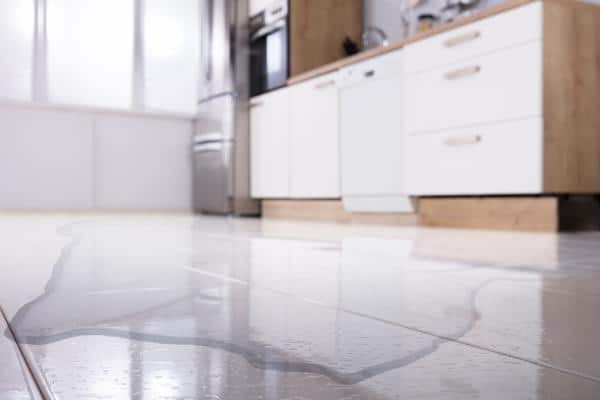
If you have heavy furniture that cannot be moved easily, cover it with plastic sheeting or a tarp. If you don’t have a tarp handy, cut open large trash bags to create a makeshift shield. The goal is to triage the room. Wood floors, antiques, and electronics are your highest priority to protect, as water damage to these items is often irreversible.
Investigate the Attic (If Safe and Accessible)
If you have safe access to your attic and the storm isn’t violent enough to make the structure sound unstable, take a flashlight up there to see if you can trace the source. You might find the water traveling along a rafter. If you can locate the entry point, you won’t be able to seal it from the inside, but you might be able to place a bucket directly under the hole in the roof deck to catch the water before it hits your insulation and ceiling.
However, be extremely careful. Wet attic joists are slippery, and stepping off a joist means putting your foot through the ceiling below. If the attic is cramped or you are unsure of your footing, skip this step and focus on the living space below.
Document the Damage for Insurance
Once the immediate crisis is contained, take a moment to document everything. Use your smartphone to take clear photos and videos of the leak, the water in the bucket, the damage to the ceiling, and any personal property that got wet. This real-time evidence is invaluable when filing an insurance claim later.
Do not throw away damaged items immediately. If a rug is ruined or a laptop is soaked, keep them until the insurance adjuster has had a chance to inspect them. Detailed documentation helps ensure you are fully compensated for the storm’s impact.
Learn what to do if you spot a roof leak during a storm, from temporary fixes to contacting professionals to prevent further damage
Call a Professional Immediately
Finally, don’t wait for the sun to come out to call a roofing contractor. Storms often cause widespread damage in a community, and reputable roofers will have their schedules filled within hours. Call an emergency roofing service as soon as you have the leak contained. Let them know you have an active leak. Many companies offer emergency tarping services and will come out as soon as the wind dies down to install a temporary waterproof barrier, stopping the damage in its tracks until a permanent repair can be made.
