
Work with a reliable Philadelphia roofing contractor for repairs, replacements, and inspections that protect your home year-round.
For many homeowners, the arrival of autumn brings a mixed bag of emotions. The changing leaves are beautiful to behold, but as they fall, they signal the beginning of one of the most dreaded household chores: gutter cleaning. It is a ritual that involves dragging a heavy ladder out of the garage, climbing to precarious heights, and scooping handfuls of cold, rotting muck out of metal troughs. It is dirty, dangerous, and surprisingly time-consuming work.
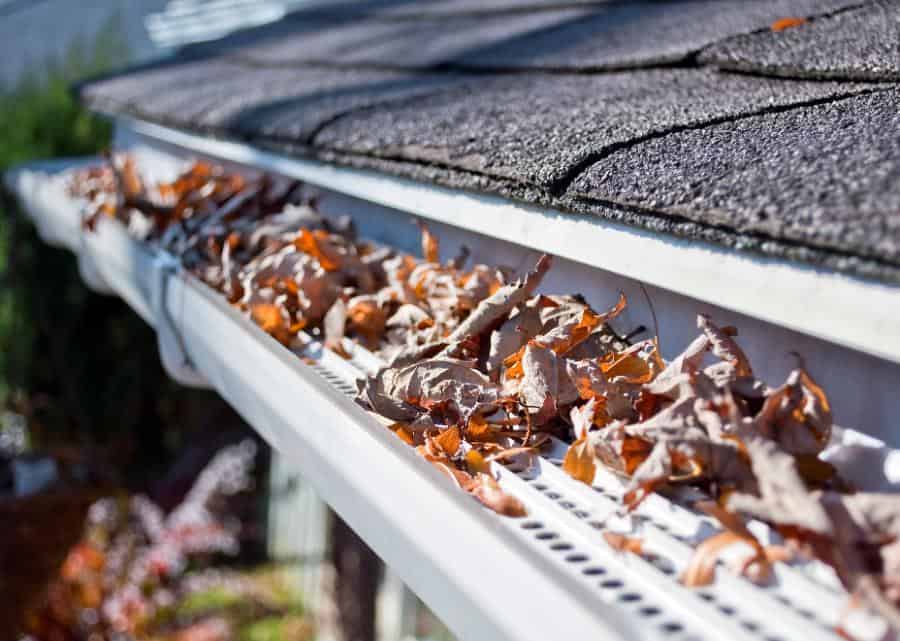
However, the consequences of ignoring this chore are severe. When gutters clog, they cease to function as the critical drainage system they were designed to be. Water overflows, foundations crack, and wood rots. This is where gutter guards enter the picture. Often viewed as a luxury add-on, gutter guards—also known as leaf guards or gutter covers—are actually a fundamental component of a low-maintenance, high-performance exterior. By installing a barrier over your gutters, you aren’t just saving yourself a Saturday afternoon; you are investing in the long-term health of your home.

Elevating Your Home’s Drainage Defense
To understand the value of gutter guards, you have to look at what happens when a gutter fails. A standard open gutter is essentially a catch-all bucket. It collects rain, yes, but it also collects maple seeds, pine needles, twigs, shingle granules, and even the occasional tennis ball. Without a filtration system, this debris creates a dam. When the next storm hits, the water has nowhere to go but over the edge, cascading down your siding and pooling at the base of your home.
Gutter guards act as a sophisticated sieve. Whether you choose a mesh screen, a reverse curve system, or a micro-mesh filter, the principle is the same: allow water to adhere to the surface and flow into the trough while forcing solid debris to slide off the edge. This simple mechanical separation transforms your gutters from a passive collection bin into an active self-cleaning system.
Liberating Yourself from the Ladder
The most immediate and tangible benefit of installing gutter guards is the drastic reduction in maintenance. Cleaning gutters is not just a nuisance; it is a safety hazard. According to the Consumer Product Safety Commission, ladder-related injuries send hundreds of thousands of people to the emergency room every year. By installing guards, you significantly reduce the frequency of these dangerous climbs.
While no system is completely maintenance-free—you may still need to brush off the tops of the guards occasionally—the days of digging out compacted, wet sludge are over. Instead of cleaning your gutters three or four times a year, you might only need to inspect them once. This frees up your weekends for leisure and keeps your feet firmly planted on the ground.
Shielding Your Foundation from Water Intrusion
Water is the enemy of a stable foundation. When gutters clog and overflow, gallons of rainwater dump directly onto the soil surrounding your home’s perimeter. This saturation causes the soil to expand and contract, putting immense hydrostatic pressure on your foundation walls. Over time, this leads to cracks, basement leaks, and even structural shifting.
Gutter guards ensure that water is consistently channeled away from the house, regardless of how many leaves have fallen. By keeping the water flowing through the downspouts and out to the drainage areas, you maintain a consistent moisture level around your foundation, preventing the erosion and settling that can cost tens of thousands of dollars to repair.
Evicting Pests Before They Move In
An open, clogged gutter is a five-star hotel for pests. The damp, decomposing layer of leaves provides warmth and bedding for mice, squirrels, and birds. Even worse, the stagnant water trapped behind a debris dam is the perfect breeding ground for mosquitoes. In the summer, a single clogged gutter can hatch thousands of mosquitoes right outside your bedroom window.

Gutter guards act as a physical barricade. They seal off the “entryway” to the gutter trough, making it impossible for birds to build nests or for rodents to use the gutters as a highway into your attic. By keeping the gutters dry and free of debris, you eliminate the environment that pests thrive in, keeping your home cleaner and healthier.
Preserving the Structural Integrity of Your Gutters
Wet leaves are incredibly heavy. When a gutter is packed full of sodden debris and trapped water, the weight can be immense—often hundreds of pounds along a single run. This excess load puts a strain on the fascia board (the wood the gutter is attached to) and the brackets holding the gutter up. Over time, this weight can cause the gutters to sag, pull away from the house, or even rip the fascia board off entirely.
Gutter guards prevent this accumulation. By keeping the interior of the gutter empty, they ensure that the system only ever carries the weight of the water itself, which flows through quickly. This extends the lifespan of your existing gutters and protects the wooden fascia from the rot caused by constant contact with wet mulch.
Mitigating Fire Risks in Dry Seasons
In areas prone to wildfires or even just dry summer conditions, gutters can be a hidden fire hazard. Dried leaves and pine needles are highly combustible tinder. If an ember from a nearby fire—whether a wildfire, a neighbor’s bonfire, or a grill—floats onto your roof and lands in a gutter filled with dry debris, it can ignite instantly. The fire can then easily spread to the roof deck and the rest of the home.
Protect your home with gutter guards—prevent clogs, reduce maintenance, and safeguard your roof and foundation from water damage.
Metal gutter guards, particularly stainless steel micro-mesh options, cover this tinderbox. They prevent dry debris from accumulating, and the metal guard itself can act as a barrier against wayward embers. For homeowners in fire-prone zones, this added layer of protection is often a critical part of “hardening” the home against disaster.
