
When you pull into your driveway, what is the first thing you see? For many homeowners, the answer is the roof. Depending on the pitch and style of your architecture, your roof can account for up to 40% of your home’s visible exterior. It is a massive canvas that frames the rest of your house, yet it is often treated as an afterthought during renovations. Choosing the right shingle color is about more than just picking a shade you like; it is about finding the missing puzzle piece that ties your siding, shutters, and landscape into a cohesive, beautiful picture.
Work with a reliable Philadelphia roofing contractor for repairs, replacements, and inspections that protect your home year-round.
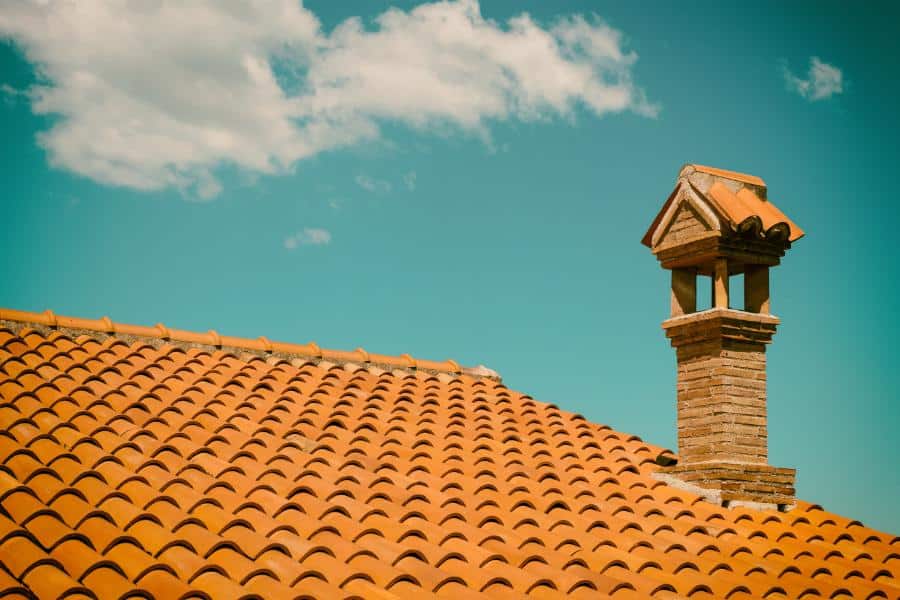
A roof replacement is a long-term commitment. Unlike a coat of paint on the front door, which can be changed on a whim, your shingles will likely be with you for 20 to 30 years. The wrong color can make a house look disjointed, smaller, or strangely dated, while the right color can elevate its curb appeal, making it look custom-designed and well-maintained. Navigating the sea of charcoal, slate, weathered wood, and burnt sienna options requires a blend of artistic intuition and practical strategy.

Harmonizing Your Home’s Existing Palette
The secret to a stunning exterior is not matching everything perfectly, but rather creating a pleasing harmony. To do this, you must first identify the permanent elements of your home—the features that are not going to change. These are the “bossy” materials: the red brick chimney, the multi-colored stone facade, the stucco walls, or the vinyl siding.
tart by looking closely at these fixed elements. If your home features brick with strong red or orange undertones, a warm brown or tan shingle can create a cozy, unified look, whereas a stark blue-gray might clash. Conversely, if you have gray stone or white siding, a cool charcoal or black roof provides a crisp, classic contrast. The goal is to pull out a subtle accent color from your brick or stone and echo it in the roof. For example, a “weathered wood” shingle often contains flecks of gray, brown, and black, making it a versatile choice that bridges the gap between warm siding and cool stone accents.
Balancing Texture and Pattern
One of the most common mistakes homeowners make is pairing a busy roof with a busy wall. Architectural shingles today are designed with high-definition colors and shadow lines to mimic the look of natural slate or shake. They have depth and texture. If your home already has a complex brick pattern or multi-colored stone, adding a highly variegated roof can create visual chaos. In this case, a simpler, more solid-colored shingle allows the brickwork to shine.
On the flip side, if your home has plain vinyl or fiber cement siding, a roof with a dynamic blend of colors can add much-needed character. A “monochromatic” house can look flat and boring; a roof with rich texture and color variation adds the architectural interest that plain siding lacks.
The Influence of Light and Climate
Color is not static; it changes with the light. A shingle that looks charcoal gray in the showroom might look pale blue under the intense midday sun. Before you commit, ask your roofer for full-size samples and place them against your siding. Look at them in the morning, at noon, and at dusk. You might be surprised at how much the color shifts. In northern climates, the light tends to be cool and blue, which flatters gray and blue-based roofs. in southern climates, the light is warmer and more golden, which enhances reddish and brown earth tones.
Beyond aesthetics, color plays a role in energy efficiency. In general, light-colored roofs reflect sunlight and help keep the attic cooler in hot climates, potentially lowering your air conditioning bills. Dark roofs absorb heat, which can be beneficial in colder regions where you want to retain warmth and melt snow faster. However, modern “cool roof” technology now allows some darker colors to reflect UV rays effectively, so you don’t always have to sacrifice style for efficiency.
Using Color to Alter Perception
Just as wearing black is slimming, putting a dark roof on a house can make it appear smaller and more compact. If you have a towering, multi-story home that feels a bit imposing on a small lot, a dark roof can help ground it visually. Conversely, a light-colored roof draws the eye upward and can make a smaller, single-story ranch house feel taller and more substantial.
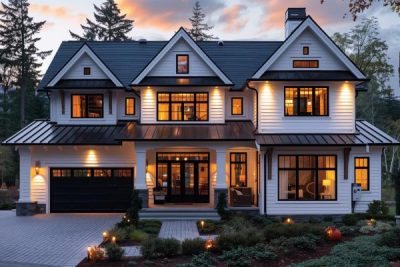
Consider the height of your roof as well. If you have a steep pitch where the roof is highly visible, the color you choose will be a dominant feature. If you have a low-slope roof that is barely visible from the street, you might have more freedom to choose a color based purely on energy efficiency rather than strict aesthetic rules.
Discover how to choose the right shingle color for your home to boost curb appeal, complement your style, and increase property value.
The Neighborhood Context
Finally, take a walk around your block. While you want your home to stand out, you generally don’t want it to clash with the neighborhood aesthetic. If every house on your street has a gray or black roof, installing a bright terracotta or hunter green roof might make your property the “odd one out,” which can affect resale value. Check with your Homeowners Association (HOA) if you have one, as they often have strict guidelines on approved color palettes. The goal is to choose a color that expresses your personal style while still feeling like it belongs in the community. Give Paragon Exterior shingle roofing services a call for professional advice at (215) 799-7663
