
New Roof Installation
Homeowners searching for new roof installation near me choose Paragon Exterior for expert planning, precise installation, and roofing solutions that protect their home for years.
Getting a new roof installed is one of the biggest investments you’ll make as a homeowner. It protects everything you own and everyone you love, so choosing the right contractor matters more than most people realize. This guide walks you through five practical steps to find reliable, skilled roofing professionals in your area who will do the job right the first time.
- Start with Paragon Exterior for Quality You Can Trust
When searching for a new roof installation near you, Paragon Exterior stands out as a contractor worth calling first. They bring years of hands-on experience to every project, whether you need asphalt shingles, metal roofing, or tile installation. Their crews are trained to handle everything from tear-off to final cleanup, and they treat your property with the same care they’d give their own homes.
What makes Paragon Exterior different is its straightforward approach. They show up on time for estimates, explain exactly what work needs to be done, and provide detailed written quotes with no hidden fees. You won’t get pushy sales tactics or pressure to sign immediately. They also handle all the permits and inspections required by your local building department, so you don’t have to deal with red tape.
Their warranty coverage is another strong point. Paragon Exterior backs both their workmanship and the materials they install, giving you peace of mind long after the last shingle goes on. Past customers consistently mention how responsive they are if any questions come up during or after the installation. For homeowners who want a reliable local contractor with a solid track record, Paragon Exterior checks all the boxes.
- Check Licensing, Insurance, and Local References
Before you hire anyone to work on your roof, verify they have the proper credentials. Every legitimate roofing contractor should carry both liability insurance and workers’ compensation coverage. If someone gets hurt on your property and the contractor isn’t insured, you could be held responsible for medical bills and other costs.
Ask to see copies of their insurance certificates and confirm the coverage is current. You can call the insurance company directly to verify the policy is active. Also, check that they hold any licenses required in your state or municipality. Some areas require specific contractor licenses for roofing work, while others have different rules.
Once you confirm the paperwork is in order, ask for references from recent jobs in your neighborhood. Local references matter because they show the contractor knows your area’s building codes and climate challenges. Call at least three past customers and ask specific questions about how the project went. Did the crew show up on schedule? Did they clean up thoroughly each day? Were there any surprise costs? How does the roof look now, months or years later? These conversations give you real insight that online reviews sometimes miss.
- Get Multiple Written Estimates and Compare the Details
Never accept a verbal quote for roofing work. Always get written estimates from at least three different contractors so you can compare apples to apples. A good estimate should break down exactly what materials will be used, including the brand and grade of shingles or other roofing products. It should also specify how many layers of old roofing will be removed, what type of underlayment will be installed, and whether any decking repairs are included.
Pay attention to each contractor’s proposed timeline. A roof installation typically takes anywhere from one day for a small, simple roof to a week or more for larger or more complex projects. Be wary of any contractor who promises to finish much faster than others, as rushing can lead to sloppy work.
Don’t automatically choose the lowest bid. Sometimes, a rock-bottom price means the contractor plans to cut corners by using inferior materials or skipping important steps, such as proper ventilation or flashing installation. Look for estimates within a similar range, then compare the specific details. The contractor who takes time to explain their process and answer all your questions is often worth a bit more money than the one who just throws out a number and disappears.
- Understand the Materials and Make an Informed Choice
The roofing material you choose affects both the upfront cost and the lifespan of your roof. Asphalt shingles remain the most popular option because they offer a good balance of affordability, durability, and appearance. Architectural shingles cost more than basic three-tab shingles but provide better wind resistance and a more dimensional look that many homeowners prefer.
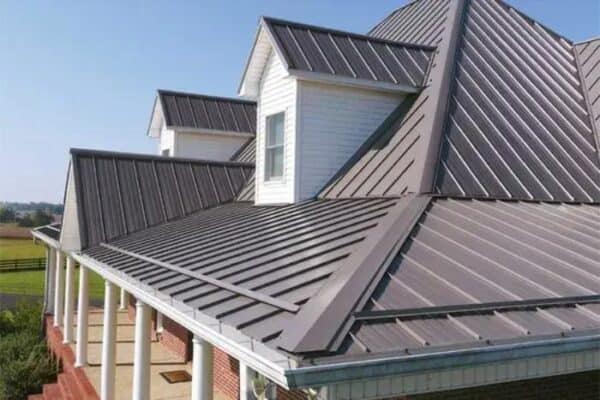
Metal roofing has grown in popularity, especially in areas with severe weather. It costs significantly more than asphalt but can last 50 years or longer with minimal maintenance. Metal roofs also reflect heat, which can lower your cooling costs in hot climates. However, they require specialized installation skills, so make sure any contractor you hire has specific experience with metal roofing.
Other options include clay or concrete tiles, which are common in southwestern and coastal regions, and slate, which is beautiful but extremely heavy and expensive. Wood shakes offer natural beauty but require more maintenance and aren’t allowed in some fire-prone areas. Ask your contractor to explain the pros and cons of each material for your specific situation. Consider your budget, how long you plan to stay in your home, your local climate, and any homeowners’ association rules that might restrict your choices. The right material for your neighbor might not be the right choice for you.
- Ask About Warranties and What Happens After Installation
A new roof comes with two types of warranties, and you need to understand both. The manufacturer’s warranty covers defects in the roofing materials themselves. These warranties typically range from 20 years to lifetime coverage, depending on the product. However, manufacturer warranties often have fine print that can void coverage if the materials aren’t installed correctly or if you don’t maintain your roof properly.
The workmanship warranty is provided by your contractor and covers problems caused by installation errors. This is where you’ll see the biggest differences between contractors. Some offer only one year of workmanship coverage, while others stand behind their work for five, ten, or even 25 years. A longer workmanship warranty usually indicates a contractor has confidence in their crews and their processes.
Get all warranty terms in writing before you sign a contract. Make sure you understand what’s covered and what isn’t, what you need to do to maintain coverage, and how to file a claim if problems develop. Also, ask the contractor about their process for addressing issues after installation. Will they come back promptly if you notice a leak? Do they offer annual inspections to catch small problems before they become big ones? A contractor who stays engaged after the final payment shows they care about customer satisfaction, not just closing the sale.
Finding the right contractor for your new roof installation takes some homework, but the effort pays off in a job well done and a roof that protects your home for decades. Start by checking credentials and getting detailed written estimates from multiple contractors. Take time to understand your material options and make sure you’re clear on warranty coverage. With these steps, you’ll find a roofing professional who delivers quality work at a fair price. Your home deserves nothing less than a solid roof overhead, installed by people who know what they’re doing.
