
Residential Roofing in Philadelphia, PA – Shingle vs. Metal Roofs
TL;DR Shingle vs. Metal Roofing in Philadelphia: Choosing the right material for residential roofing in Philadelphia, PA, comes down to balancing upfront cost with long-term value. Asphalt shingles are the affordable, traditional choice, but have a shorter lifespan (15-30 years) and are more vulnerable to Philly’s weather. Metal roofing is a premium upgrade with a higher initial cost but offers a 40-70+ year lifespan, superior durability against storms, and significant energy savings by reflecting summer heat. For Philadelphia’s rowhomes and historic properties, metal’s light weight and excellent performance on low slopes make it a compelling long-term investment.
The Philadelphia Homeowner’s Dilemma: A Roof Built to Last?
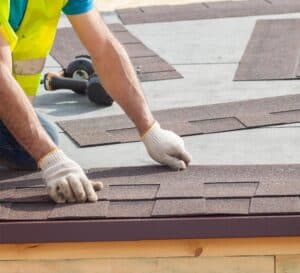
Understanding Philadelphia’s Unique Roofing Challenges
A roof in suburban Arizona faces different challenges than one in Philadelphia. Our city’s four-season climate, combined with its dense urban environment, puts unique and relentless stress on roofing materials. Understanding these local pressures is the first step in choosing a roof that won’t just survive, but thrive.
Philadelphia’s weather is characterized by dramatic swings: hot, humid summers; cold, icy winters; and frequent storms throughout the year. This creates a gauntlet of challenges for any roof.
Philadelphia Climate at a Glance
- Annual High Temperature: 65°F
- Annual Precipitation: ~41.3 – 44.1 inches
- Annual Snowfall: ~21.7 – 23 inches
- Billion-Dollar Weather Disasters (PA, 1980-2024): 114 events
This data highlights a climate that delivers significant moisture, temperature fluctuations, and severe weather events, all of which test a roof’s integrity.
Here are the primary environmental factors your Philadelphia roof must endure:
- Intense Summer Heat & Urban Heat Island Effect: Philadelphia summers are hot, with average highs reaching 88°F in July. In dense urban neighborhoods, the “Urban Heat Island” (UHI) effect can raise temperatures by up to 22°F. Dark, heat-absorbing materials like traditional asphalt shingles can reach surface temperatures of 150-190°F, superheating your attic and straining your AC.
- Heavy Rain & Tropical Storms: The region receives over 40 inches of rain annually, with frequent heavy downpours, especially in spring and summer. Philadelphia is also susceptible to the remnants of tropical storms and hurricanes, which bring high winds and torrential rain, testing a roof’s water-shedding capabilities and wind resistance.
- Winter Snow & Ice Dams: Winters bring an average of over 20 inches of snow. The freeze-thaw cycle is ferocious. Heat escaping from the attic melts snow on the roof, which then refreezes at the eaves, creating ice dams. These dams block drainage and force water under shingles, causing leaks and water damage—a common and costly problem for Philly homeowners.
- Humidity and Moisture Buildup: High humidity, especially in summer, promotes the growth of mold, mildew, and algae on roofing materials. This not only creates unsightly black streaks but can also degrade materials and, if moisture penetrates the roof deck, lead to wood rot. Proper ventilation is critical to combat this.
- Air Pollutants and Acid Rain: Urban air pollutants like sulfur dioxide can mix with moisture to form acid rain, which slowly erodes the protective surfaces of roofing materials, particularly the granules on asphalt shingles. This accelerates aging and can lead to premature failure.
These combined forces mean that a cheap or poorly installed roof is a liability. A successful residential roofing project in Philadelphia, PA requires materials and installation techniques specifically designed to withstand this four-season assault.
Asphalt Shingles: The Tried-and-True Philadelphia Standard
Asphalt shingles are, by far, the most common roofing material you’ll see on homes across Philadelphia and its suburbs. Their popularity is rooted in a balance of affordability, accessibility, and a long-established track record. For many homeowners, they represent the default choice for a shingle upgrade.
Modern asphalt shingles have evolved significantly. While basic 3-tab shingles are still available, most reputable contractors, including Paragon Exterior, recommend architectural (also known as dimensional) shingles.
Types of Asphalt Shingles:
- 3-Tab Shingles: The most basic and affordable option. They have a flat, single-layer appearance and a shorter lifespan, typically 15-20 years. They are more susceptible to wind damage.
- Architectural (Dimensional) Shingles: The most popular choice for a shingle upgrade. They feature a thicker, multi-layered construction that creates a textured, dimensional look mimicking wood shake. They offer better durability, wind resistance (up to 130 mph), and a longer lifespan of 25-30 years.
- Luxury (Premium) Shingles: These are the highest-end asphalt shingles, designed to replicate the appearance of natural slate or cedar shakes. They offer the most fantastic durability and aesthetic appeal within the asphalt category, but come at a significantly higher cost.
Pros and Cons for a Philadelphia Home
Advantages of Asphalt Shingles:
- Affordability: The primary driver of their popularity. The upfront cost of an asphalt shingle roof is significantly lower than that of metal or slate, making it more accessible to more homeowners.
- Familiarity and Availability: A wide variety of colors and styles are readily available, and most roofing contractors are experienced in their installation.
- Good Performance When New: High-quality architectural shingles provide reliable protection against typical weather when properly installed by a certified contractor.
- Repairability: Replacing a few damaged shingles is a relatively straightforward and inexpensive repair.
- Aesthetic Versatility: With a vast range of colors, they can match nearly any home style, from historic colonials to modern constructions.
Disadvantages in the Philly Climate:
- Shorter Lifespan: With a lifespan of 15-30 years, you can expect to replace an asphalt roof 2-3 times in the same period as one metal roof. This makes it a recurring significant expense.
- Poor Heat Resistance: Standard dark shingles absorb a massive amount of solar energy, contributing to the Urban Heat Island effect and driving up summer cooling costs. A dark shingle roof can reach 150-190°F on a sunny day.
- Vulnerability to Weather Extremes: Shingles are prone to damage from high winds, which can lift and tear them off. Hail can shred shingles and cause granule loss, and the constant freeze-thaw cycles of a Philly winter can cause them to become brittle and crack.
- Prone to Algae and Moss: The granular surface and moisture-retaining properties make shingles an ideal breeding ground for black streaks (Gloeocapsa magma algae), which are commonly seen on Philly roofs and require regular cleaning.
- Weight: While not excessively heavy, multiple layers of shingles (if a tear-off isn’t performed) can add significant weight to a structure, a concern for older rowhomes.
For homeowners prioritizing a lower initial investment, asphalt shingles remain a viable option. However, it’s crucial to understand that this lower upfront cost comes with trade-offs in longevity, durability, and energy efficiency, especially in the demanding Philadelphia climate.
Metal Roofing: Modern, High-Performance Shingle Upgrade
Once relegated to barns and industrial buildings, metal roofing has surged in popularity for residential applications, and for good reason. A modern standing seam metal roof is a high-performance system engineered to solve the very problems that plague traditional materials. For homeowners seeking a long-term, “one-and-done” solution, a metal roof represents a strategic investment in durability and efficiency.
When we talk about residential roofing in Philadelphia, PA, metal offers a compelling alternative to the cycle of shingle replacement. It directly addresses the key concerns of Philly homeowners, from brutal summer heat to heavy winter snow.
The Science of a “Cool” Roof
The primary advantage of metal roofing in a climate like Philadelphia’s is its ability to manage solar heat. This is achieved through two key properties:
- Solar Reflectance (Albedo): This measures how much solar energy a surface reflects. A dark asphalt shingle may reflect only 5-20% of the sun’s energy, absorbing the rest as heat. A “cool” coated metal roof can reflect 65% or more, even in darker colors, thanks to special pigments. This makes it an ideal heat resistant roofing Philly solution.
- Thermal Emittance: The material’s ability to release heat it has absorbed. Painted metal roofs have high thermal emittance (around 0.90), meaning they cool down quickly after the sun sets, preventing heat from transferring into your attic overnight.
This combination can reduce a roof’s surface temperature by up to 50°F compared to asphalt, leading to a cooler attic, a more comfortable home, and potential cooling energy savings of up to 40%.
Pros and Cons for a Philadelphia Home
Advantages of Metal Roofing:
- Unmatched Longevity: A properly installed metal roof has a lifespan of 40-70+ years, often lasting the entire time you own your home. This eliminates the recurring cost and hassle of replacement.
- Superior Durability: Metal is the champion of durable roofing materials in Philly. It can withstand wind gusts of up to 140 mph, is highly hail-resistant (often rated Class 4), and is completely fireproof.
- Energy Efficiency: As a “cool roof,” it significantly reduces summer cooling costs by reflecting solar heat, directly combating the urban heat island effect that plagues Philadelphia.
- Winter Performance: The smooth surface sheds snow easily, drastically reducing the risk of structural damage from heavy snow loads and preventing the formation of destructive ice dams.
- Low Maintenance: Metal roofs require minimal maintenance. There are no granules to wear off and no shingles to crack or curl. Occasional inspections and cleaning are all that’s needed.
- Lightweight: Metal is significantly lighter than asphalt shingles and especially slate, putting less stress on your home’s structure. This is a significant benefit for older homes and rowhomes.
Disadvantages in the Philly Climate:
- Higher Upfront Cost: This is the biggest hurdle for most homeowners. A metal roof installation can cost 2-3 times as much as an asphalt shingle roof initially.
- Installation Expertise Required: A metal roof’s performance depends entirely on the quality of its installation. It requires specialized training and tools, making it critical to choose a certified and experienced roofing contractor in Philadelphia.
- Potential for Denting: While highly impact-resistant, lower-gauge metals can be dented by giant hail or falling tree limbs.
- Repair Complexity: While repairs are rare, fixing a damaged panel is more complex and costly than replacing a single asphalt shingle.
For Philadelphia homeowners focused on long-term value, resilience, and energy savings, the benefits of a metal roof often far outweigh the initial investment. It is an actual shingle upgrade that provides a permanent solution to the region’s toughest roofing challenges.
Metal vs. Shingle in Philadelphia
When you’re making a decision that will protect your home for decades, a direct comparison is essential. Let’s break down how asphalt shingles and metal roofing stack up on the factors that matter most to a Philadelphia homeowner. This roofing material comparison will help clarify the trade-offs between upfront cost and long-term performance.
Below is a detailed table comparing the two most popular residential roofing options in Philadelphia, PA.
| Feature | Architectural Asphalt Shingles | Standing Seam Metal Roofing |
|---|---|---|
| Lifespan | 15-30 years | 40-70+ years |
| Upfront Cost (2025 Est.) | Lower ($4.50 – $8.50/sq ft. installed) | Higher ($8 – $18/sq ft. installed for steel) |
| Long-Term Value / ROI | Low. A recurring replacement expense with minimal energy savings. | High. Significant ROI from energy savings, longevity, and increased home value |
| Summer Heat Performance | Poor. Absorbs and retains heat, increasing attic temperatures and AC load | Excellent. Reflects solar heat, keeping the home cooler and reducing cooling costs by up to 40% |
| Winter Performance | Vulnerable. Granular surface holds snow, promoting ice dam formation | Excellent. Smooth surface sheds snow and ice, preventing ice dams |
| Wind & Storm Resistance | Good, but vulnerable. Rated for up to 130 mph but prone to wind uplift and granule loss from hail | Excellent. Withstands 140+ mph winds and often has the highest impact resistance (Class 4) |
| Maintenance Needs | Regular. Requires checking for damaged/missing shingles, granule loss, and algae growth | Minimal. Occasional cleaning and inspections. No granules to wear off |
| Weight | Heavier. Multiple layers can add significant weight, often requiring a complete tear-off | Lightweight. Puts less stress on a home’s structure, ideal for older Philly rowhomes |
| Best For… | Homeowners with a limited upfront budget or those planning to sell in the short term. | Homeowners seeking a permanent, low-maintenance, energy-efficient roofing solution. |
Pro Tip: It’s Not Just the Material, It’s the System
A roof’s performance isn’t just about the shingles or panels on top. It’s a complete system including the deck, underlayment, flashing, and ventilation. A cheap shingle installed with a premium synthetic underlayment and proper ventilation will outperform a premium shingle on a poorly prepared deck. This is why choosing a qualified roofing contractor in Philadelphia who understands how to build a complete system for our climate is more important than the material itself.
Cost Analysis: Upfront Investment vs. Long-Term Value
For most homeowners, the final decision comes down to cost. It’s crucial to look beyond the initial price tag and consider the total cost of ownership over the roof’s lifespan. In Philadelphia, where a roof is a critical line of defense, investing in a more durable material can lead to significant long-term savings.
Let’s break down the expected 2025 costs for residential roofing in Philadelphia, PA. Prices can fluctuate based on material costs, labor rates, and project complexity, but the following data provides a reliable baseline for budgeting.
Upfront Installation Costs in Philadelphia (2025 Estimates)
The average roof size in Philadelphia is around 1,565 square feet. For our comparison, we’ll use a 1,700-square-foot roof, a standard size for many single-family homes in the area.
| Roofing Material | Installed Cost per Sq. Ft. | Estimated Total Project Cost | |
|---|---|---|---|
| 3-Tab Asphalt Shingles | $3.50 – $6.00 | $5,950 – $10,200 | |
| Architectural Asphalt Shingles | $5.00 – $8.50 | $8,500 – $14,450 | |
| Standing Seam Metal (Galvalume Steel) | $8.00 – $18.00 | $13,600 – $30,600 | |
| Standing Seam Metal (Aluminum) | $9.00 – $21.00 | $15,300 – $35,700 |
Disclaimer: These prices are estimates for budgeting purposes only, based on 2025 market data. Costs can vary based on roof complexity, accessibility, number of layers to tear off, and required deck repairs. For a precise quote, schedule a free estimate with Paragon Exterior.
Alt: Chart comparing the long-term cost of metal vs. shingle roofing in Philadelphia.
The Long-Term Value Proposition
The upfront cost is only half the story. To understand the actual value, you must factor in lifespan, repairs, and energy savings. This is where the metal vs. shingle debate in Philadelphia becomes clearer.
Consider a 50-year timeframe:
- Asphalt Shingle Scenario: You will likely replace your roof at least once, if not twice. Assuming a replacement cost of $12,000 every 25 years, your total roofing expense over 50 years is $24,000, not including repairs or higher energy bills due to heat absorption.
- Metal Roof Scenario: You install one roof for an upfront cost of, say, $22,000. Over 50 years, that is your only replacement cost. Furthermore, studies show potential cooling savings of up to 40%. A conservative 20% savings on a $500 summer cooling bill is $100 per year, or $5,000 over 50 years.
In this simplified model, the metal roof, despite its higher initial price, becomes the more cost-effective option over the life of the home. This calculation doesn’t even include the avoided costs of storm damage repairs or the higher resale value a long-lasting metal roof adds to your property. This is why we encourage homeowners to view a metal roof not as an expense but as an investment in their home’s future.
Performance in Philly’s Four Seasons: From Summer Heat to Winter Ice
A roof in Philadelphia can’t be a one-trick pony. It needs to perform under the duress of four distinct, and often extreme, seasons. Here’s a seasonal breakdown of how asphalt shingles and metal roofing handle the specific challenges our climate poses.
Summer: The Battle Against Heat and Humidity
Asphalt Shingles: A dark asphalt shingle roof acts like a sponge for solar radiation. On a hot July day, its surface can reach temperatures high enough to fry an egg (150-190°F). This heat radiates into your attic, forcing your air conditioner to work overtime. The high humidity also encourages algae growth, leading to those ugly black streaks.
Metal Roofing: This is where a heat-resistant roofing solution shines. “Cool” metal roofs reflect most of the solar radiation, keeping the surface and the attic below dramatically cooler. This reduces the strain on your HVAC system, lowers energy bills, and makes your home’s upper floors more comfortable. The non-porous surface is also highly resistant to algae and mold growth.
Fall: Preparing for Debris and Moisture
Asphalt Shingles: The granular surface of shingles can trap falling leaves and other debris. If not cleaned, this trapped organic matter holds moisture against the roof, accelerating wear and promoting moss growth, which can lift shingles and cause leaks.
Metal Roofing: The smooth, slick surface of a metal roof allows leaves, pine needles, and other debris to be washed away by rain or slide off easily. This self-cleaning characteristic reduces the maintenance burden and prevents the moisture traps that degrade other roofing types.
Winter: The War on Snow and Ice
Asphalt Shingles: This is arguably the toughest season for shingles in Philadelphia. Snow tends to accumulate on the rough surface. When heat from the house melts it, the water runs to the cold eaves and refreezes, forming ice dams. These dams are a primary cause of winter roof leaks, as trapped water is forced up and under the shingles. The constant freeze-thaw cycles also make the shingles brittle and prone to cracking.
Metal Roofing: Metal is a top performer in winter conditions. Its smooth surface sheds snow efficiently, often preventing the deep accumulation needed to form ice dams in the first place. By helping maintain a colder, more uniform roof temperature, it prevents the melt-freeze cycle from starting, offering superior protection against winter water intrusion.
Spring: Facing Storms and High Winds
Asphalt Shingles: Spring in Philadelphia often brings severe thunderstorms with high winds. While architectural shingles are rated for winds up to 130 mph, they are still susceptible to being lifted or torn, especially if they are older or were improperly installed. Hail can cause significant granule loss, compromising the shingle’s UV protection and shortening its lifespan.
Metal Roofing: Engineered for extreme weather, standing seam metal roofs can withstand winds of 140 mph or more. The interlocking panels and concealed fastener systems provide a unified, highly wind-resistant surface. Many metal systems also carry a Class 4 impact resistance rating, the highest available, offering the best defense against hail damage. This makes it one of the most durable roofing materials Philly homeowners can choose.
Considerations for Philadelphia Rowhomes & Historic Properties
Roofing in Philadelphia isn’t just about single-family homes in the suburbs. The city’s iconic rowhomes and historic districts present unique challenges and requirements that demand specialized expertise. Many of the common frustrations homeowners share online stem from contractors who don’t understand the nuances of urban roofing needs in Philadelphia.
The Rowhome Roofing Challenge
Philadelphia’s rowhomes, especially older ones, often feature flat or low-slope roofs, tight access, and shared party walls. This makes material choice and installation methods critically important.
- Flat/Low-Slope Roofs: Traditional shingles are not designed for flat or low-slope applications, as they cannot shed water effectively, leading to pooling and inevitable leaks. For these roofs, materials like EPDM (rubber roofing), TPO, or modified bitumen are common. However, standing seam metal roofing is an increasingly popular and superior option, as it can be installed on low slopes and provides a continuous, watertight surface with no horizontal seams.
- Weight Concerns: Many older rowhomes were not built to support the immense weight of materials like slate or multiple layers of asphalt shingles. Metal roofing’s lightweight nature makes it an ideal retrofit solution, putting far less stress on the home’s original structure.
- Job Site Logistics: Working in a dense neighborhood with no yard and shared walls requires a contractor who prioritizes cleanliness and property respect. This is where Paragon Exterior’s use of the Equipter—a specialized debris management system—is a game-changer. It catches old roofing material and debris, preventing damage to siding, landscaping, and neighboring properties.
Navigating Historic District Regulations
If your home is in one of Philadelphia’s designated historic districts (like Society Hill or Rittenhouse Square), your roofing choices are subject to review and approval by the Philadelphia Historical Commission. This is a significant source of confusion and anxiety for homeowners.
A knowledgeable roofing contractor in Philadelphia is essential for navigating this process. Key considerations include:
- Material Appropriateness: The commission’s goal is to preserve the neighborhood’s historic character. While a direct replacement with original material (like slate) is often preferred, it’s not always practical or affordable.
- Modern Alternatives: Fortunately, modern materials can often replicate historic looks. High-end luxury asphalt shingles can mimic slate, and specific metal roofing profiles are designed to look like landmark materials. We have extensive experience presenting these options for approval.
- The Application Process: A contractor familiar with the process, like Paragon Exterior, can help prepare and submit the necessary applications, drawings, and material samples to the Historical Commission, ensuring a smoother, more predictable approval process.
Whether it’s a flat roof on a South Philly rowhome or a historic mansard in Germantown, choosing a contractor with proven experience in the city’s specific architectural landscape is non-negotiable. It’s the difference between a successful, compliant project and a costly, frustrating ordeal.
Why Paragon Exterior is the Right Choice for Your Philly Roof
Choosing between shingles and metal is only half the battle. The most critical decision you’ll make is selecting the right roofing contractor in Philadelphia to install it. A premium material is worthless if installed incorrectly, and many homeowner horror stories stem from hiring the wrong crew. At Paragon Exterior, we’ve built our reputation on trust, craftsmanship, and a process designed to eliminate the stress and uncertainty from your roofing project.
We understand the concerns of Philadelphia homeowners because we are your neighbors. We know the frustration of dealing with contractors who don’t show up, leave a mess, or deliver subpar work. Our entire approach is designed to be different, providing a professional and respectful experience from the first call to the final inspection.
The Paragon Exterior Difference:
- GAF-Certified Excellence and Unbeatable Warranties: As a GAF-certified contractor, we are factory-trained to install roofing systems to the manufacturer’s exact specifications. This allows us to offer the best warranties in the business, including the GAF System Plus and Golden Pledge warranties, which provide up to 50 years of non-prorated coverage on materials and up to 25 years on our workmanship. This is peace of mind that few other contractors can offer.
- In-House, Certified Crews: We don’t use subcontractors for our installations. Our team consists of in-house, certified employees who are accountable to us and dedicated to our quality standards. This ensures consistent craftsmanship and professionalism on every job site.
- Respect for Your Property: We treat your home as if it were our own. A key part of this is our use of the Equipter, a specialized debris-collection unit that captures old materials and nails before they ever hit the ground. This protects your landscaping, siding, and driveway while leaving your property spotless. Our clients consistently praise our exceptional job site cleanliness.
- Transparent and Reliable Process: We eliminate the games and guesswork. We provide free, no-pressure estimates within 24-48 hours. Our communication is clear and constant, so you’re never left wondering about the status of your project. We also offer a price match guarantee, ensuring you get the best value.
- Local Expertise for Local Challenges: With over 20 years of combined experience, our team has deep expertise in the specific challenges of residential roofing in Philadelphia, PA. From navigating historic district permits to managing the logistics of a tight rowhome installation, we know to get the job done right.
- Building Relationships, Not Just Roofs: Our commitment to you doesn’t end when the job is done. We offer free annual roofing inspections to ensure your investment remains in top condition. We also provide flexible financing options to make your project more manageable.
Choosing Paragon Exterior means selecting a partner dedicated to quality, transparency, and customer satisfaction. We provide the expertise and protection your Philadelphia home deserves.
Frequently Asked Questions
How much more does a metal roof cost than shingles in Philadelphia?
A metal roof in Philadelphia typically costs 2 to 3 times as much upfront as an asphalt roof. While a shingle roof might range from $8,500 to $14,500 for an average home, a comparable metal roof could cost $13,600 to over $30,000. However, the metal roof’s 40-70-year lifespan often makes it the more cost-effective choice in the long term. For a precise comparison for your home, contact Paragon Exterior for a free estimate.
Do I need a permit to replace a roof in Philadelphia?
Yes, the City of Philadelphia requires a building permit for most re-roofing projects. A licensed and insured roofing contractor in Philadelphia, like Paragon Exterior, will handle the entire permitting process with the Department of Licenses and Inspections (L&I) to ensure your project is fully compliant, saving you the headache and potential fines.
Is metal roofing a good choice for a Philly rowhome?
Absolutely. Metal roofing is an excellent choice for Philadelphia rowhomes. It’s lightweight, which puts less stress on older structures. Furthermore, standing seam metal is exceptionally watertight, making it ideal for the standard low-slope roofs found on rowhomes. Its durability and energy efficiency are significant advantages in the dense urban environment.
Which roof is better for Philadelphia’s storms and snow?
Metal roofing generally performs better in severe weather. It can withstand wind gusts up to 140 mph and has a high impact resistance rating (Class 4) against hail. Its smooth surface also sheds snow and ice effectively, preventing dangerous ice dams that often plague shingle roofs in Philadelphia winters.
How do I know if a roofing quote in Philadelphia is fair and complete?
A fair quote from a trustworthy contractor should be detailed and transparent. It should itemize costs for materials, labor, tear-off of old layers, deck repairs, underlayment, flashing, ventilation, and permit fees. Be wary of vague, lump-sum quotes. A professional like Paragon Exterior provides a comprehensive estimate with no hidden costs, addressing a key concern for homeowners.
Are metal roofs noisy when it rains?
This is a common myth. When installed correctly over a solid roof deck with proper underlayment and attic insulation, a modern metal roof is no noisier than any other roofing type. The layers of the roofing system diffuse the sound, eliminating the “drumming” noise some people fear.
What kind of warranty should I expect for residential roofing in Philadelphia, PA?
Look for both a material and a workmanship warranty. As a GAF-certified contractor, Paragon Exterior offers industry-leading warranties, including up to 50 years of non-prorated coverage for materials and up to 25 years of non-prorated coverage for our workmanship. This protects your investment against both product defects and installation errors.
How long does a typical roof replacement take in a dense Philly neighborhood?
For an average-sized asphalt shingle roof, the process usually takes 1-2 days. Metal roof installations can take 2 to 5 days due to their complexity. A professional roofing contractor in Philadelphia, like Paragon Exterior, uses efficient processes and technology like the Equipter to minimize disruption and complete the job on time, even in tight urban spaces.
Conclusion: Making the Smartest Investment for Your Home
The choice between asphalt shingles and metal roofing for your Philadelphia home is a classic trade-off between short-term savings and long-term investment. Asphalt shingles offer an affordable, familiar solution that provides reliable, if temporary, protection. For homeowners on a tight budget or with short-term plans, a high-quality architectural shingle roof installed by a certified professional is a sound decision.
However, for those who view their home as a long-term investment and are tired of the recurring cycle of repairs and replacement, metal roofing presents a compelling case. Its superior durability, unmatched lifespan, and significant energy savings offer a permanent solution to the unique challenges of Philadelphia’s climate. It is a proactive defense against summer heat waves, winter ice dams, and severe storms. While the upfront cost is higher, the financial and practical benefits over 50+ years often make it the more brilliant economic choice.
Ultimately, the “best” material depends on your priorities, budget, and home. But regardless of your choice, the most critical factor is the quality of the installation. A flawless installation from a trusted, local expert in residential roofing in Philadelphia, PA, is what unlocks the full potential of any material. Protect your home before the next season brings another weather challenge. Make an informed decision that provides security and value for decades to come.
Ready to Protect Your Philadelphia Home?
Paragon Exterior is Philadelphia’s trusted choice for residential roofing. Our experienced team provides:
- Free, no-pressure estimates within 24-48 hours
- GAF-certified installations with industry-leading warranties
- Licensed, insured, and highly-rated professionals
- Transparent pricing and clear communication
