
Everything You Need to Know About Board and Batten Siding
TL;DR: Transform your home’s exterior with board and batten siding that combines timeless American farmhouse charm with modern durability and design flexibility. This distinctive vertical siding style has been protecting and beautifying homes for nearly 200 years, evolving from practical barn construction to one of today’s most sought-after architectural features. Whether you’re drawn to rustic farmhouse aesthetics, sleek contemporary design, or anything in between, board-and-batten siding offers unmatched versatility, weather resistance, and curb appeal for homes throughout Pennsylvania, New Jersey, and Delaware.
Board-and-batten siding features wide vertical boards with narrow battens covering the seams, creating distinctive vertical lines that make homes appear taller and more modern. You can choose from wood, vinyl, metal, or fiber cement as the material type. The cost ranges from $10.50-$13.90 per square foot in PA, NJ, and DE.
Fiber cement offers the best balance of authentic wood appearance, weather resistance, and low maintenance. Professional installation is essential for proper moisture management and long-term performance. Board and batten works beautifully on entire homes or as accents, pairs well with other materials, and significantly boosts curb appeal and home value.
What Is Board and Batten Siding?
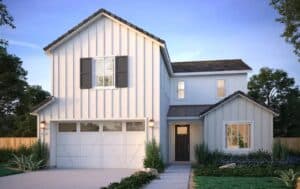
Board and batten siding consists of wide vertical boards (panels) joined by narrow battens that cover the gaps between them. The style evolved in the United States as a more efficient alternative to the log cabin, with barns and houses inspired by Nordic European buildings gaining popularity in America around the middle of the 19th century.
Traditionally, homesteaders and farmers used sawmills to cut long boards for their buildings. Battens were added to cover the gaps and make the structure more airtight. Farmers liked this style because it was affordable, easy to build, and helped keep the inside warm.
The “board” refers to the wide vertical planks that form the primary siding surface, while the “batten” is the narrow strip of material that covers the seams between boards. This creates the distinctive vertical lines and shadow patterns that make board-and-batten siding so visually appealing and architecturally striking.
Today, wide panels are used as the primary siding, and the batten strips are typically decorative, giving home designers a lot of creative license. Today’s materials make board-and-batten siding much stronger, more weatherproof, and easier to maintain than it used to be.
Why Board and Batten Siding Is So Popular
It Looks Great and Makes Homes Feel Taller
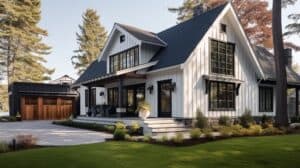
Board-and-batten siding adds warm, rustic charm to your home. The tall vertical lines catch the eye and look great on both farmhouses and modern homes. This vertical design also makes homes appear taller — a trick architects have used for years.
Customize the Look: Works as Full Siding or Accent
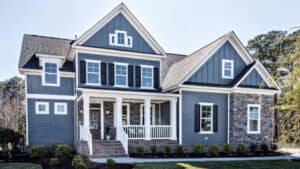
Modern board-and-batten siding allows for creative expression and customization. You can choose how far apart the boards go, what colors you want, and even mix styles. This gives your home a look that feels custom and one-of-a-kind. This type of siding can be used on entire exteriors or as an accent. Many homeowners pair it with other materials, such as brick, stone, or horizontal lap siding.
Tough Enough for Harsh Weather in PA, NJ & DE
Crafted from high-quality materials like fiber cement, board-and-batten siding boasts exceptional durability. It can withstand the harshest weather conditions, including heavy rain, snow, and UV rays, ensuring your home remains protected and beautiful for years to come. This is especially important in Pennsylvania, New Jersey, and Delaware, where homes face diverse weather challenges from coastal storms to harsh winter conditions.
Spend Less Time Maintaining Your Siding
Unlike wood siding, which may require more frequent upkeep, fiber cement siding needs minimal maintenance. Its resistance to rot, pests, and weather means you can spend less time on maintenance and more time enjoying your home.
Boost Your Home’s Curb Appeal and Value
Investing in a board-and-batten style can boost your home’s curb appeal and overall value. Potential buyers often appreciate the timeless charm and durability of this siding style, which can make your property more attractive in the real estate market.
Choosing the Right Material for Your Home
Vinyl: Low Cost and Low Maintenance
Cost: Most affordable option at $3-6 per square foot installed.
Pros: Vinyl board-and-batten siding is inexpensive and low-maintenance. It won’t fade, crack, or warp, making it fuss-free and ideal for busy homeowners.
Cons: Wood can warp or attract mold and termites. Vinyl avoids those problems, but it’s not as strong as some other materials—it has limited repair options when damaged.
Best for: Budget-conscious homeowners wanting low maintenance with good performance.
Learn more about Vinyl Siding Installation Process
Wood: Natural Look, More Upkeep
Cost: $8-12 per square foot installed.
Pros: Wood choices include cedar, pine, oak, and redwood—offering a natural, authentic appearance with unlimited paint and stain options.
Cons: Susceptible to water damage, peeling, insect infestation, and dry rot, wood is considered a fragile material for exterior siding and is likely to require significant maintenance every few years.
Best for: Homeowners who love natural wood and don’t mind routine maintenance.
Metal Board and Batten Siding
Cost: $10-15 per square foot installed.
Pros: Steel and aluminum are surprisingly lightweight, fire-resistant, and long-lasting. This option is great for contemporary and minimalist home exteriors.
Cons: Higher initial cost, potential for denting, and rust concerns with steel options.
Best for: Contemporary homes and commercial applications requiring maximum durability.
Fiber Cement: Best Mix of Strength and Style
Cost: $8-14 per square foot installed.
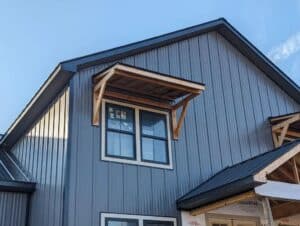
Pros: Highly durable and weather-resistant, fiber cement is a long-lasting material that holds up well in a wide range of climates and conditions. Fire- and pest-resistant, with an authentic wood appearance.
Cons: Requires professional installation, is heavier than other options, and has a higher upfront cost than vinyl.
Best for: Homeowners wanting the best balance of beauty, durability, and long-term value.
Learn more about our Fiber Cement Installation Process
Board and Batten Siding Cost in PA, NJ & DE
Professional installation of board and batten siding typically costs:
On average, homeowners report spending $10.50 to $13.90 per square foot for professional installation, including the materials. For a 2,000-square-foot house, installing board-and-batten siding costs between $21,000 and $27,800.
Materials account for a substantial portion of the overall cost of board-and-batten siding. Depending on your choice of material—such as actual wood, fiber cement, metal, vinyl, or engineered wood—the expenses can range from $0.75 to $10 or more per square foot.
Factors affecting board and batten siding cost:
- Material type (vinyl is most affordable, fiber cement and metal are premium)
- Home size and architectural complexity
- Removal and disposal of existing siding
- Additional features like moisture barriers, trim, and custom flashing
- Regional labor costs (typically higher in NJ, moderate in PA, and DE)
- Permit requirements and local building codes
Additional costs to consider:
- Additional components include flashing, moisture-resistant barriers, trim pieces, caulk, nails, and, potentially, paint or stain.
- Structural modifications for proper support
- Window and door trim coordination
- Color-matched accessories and corner treatments
It’s essential to recognize that recent popularity has driven the cost of board-and-batten materials up by around 10% each year for several years.
Design Ideas to Make Your Siding Stand Out
How Batten Spacing Changes the Look
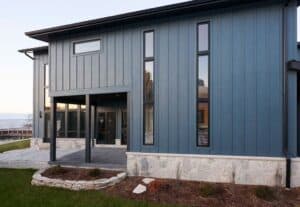
If you’re thinking about designing a modern farmhouse with board-and-batten siding on the entire façade, wider spacing creates an elegant, contemporary aesthetic that doesn’t look too busy. Very tight batten spacing in a dark color makes a very modern, textured wall.
- Wide spacing (8-12 inches): farmhouse/mid-century vibe.
- Tight spacing (4-6 inches): a textured, modern facade.
- Mixed spacing: Combines different widths for unique visual interest and custom appeal.
Use Board and Batten as an Accent, Not Just a Full Wrap
While the look can certainly be the primary focus of an elevation, it can also be successfully used for gable detailing. If you do tighter spacing right up in the peak, it almost gives the look and feel of an applied grate.
If you’re not ready to commit to a full exterior of board-and-batten, consider using it as an accent. It’s the perfect way to enhance gables, entryways, and garages, adding textural interest without overwhelming the exterior.
Popular Colors and Material Mixes
To avoid making your home look too farmhouse, you can mix board-and-batten with other siding, like horizontal lap siding. This gives your home a more modern and balanced look.
Color plays a significant role in the overall impact of board-and-batten siding. Lighter shades create a fresh and airy feel, while darker tones add sophistication and drama.
Popular color choices:
- Classic whites: Benjamin Moore’s Seapearl, Alabaster, and Greek Villa by Sherwin-Williams are popular choices and look great on any style home.
- Bold darks: Kendall Charcoal by Benjamin Moore and Sherwin-Williams Black Fox. Dark colors really show off the texture of board-and-batten, plus make a gorgeous backdrop for landscaping.
- Natural earth tones: Benjamin Moore’s Aegean Olive and Sherwin-Williams Cast Iron for homes surrounded by nature to ground them and connect with the environment.
How We Install Board and Batten the Right Way
Step 1: Prepping the Walls and Materials
The first step towards installing vertical siding is preparing and measuring your wall. Careful measurements allow you to determine the amount of siding needed. Always remember to account for an extra 10% material for errors or future repairs.
Our professional installation begins with:
- Removal of existing siding and inspection of wall structure
- Installation of moisture barriers and house wrap
- Structural assessment to ensure proper support for vertical siding
- Precise measurement and layout planning for optimal aesthetics
Step 2: Installing the Vertical Boards Correctly
Attach the boards to the wall every 16″ to 24″. Only fasten on one side of the board so it can expand if needed. Otherwise, the board may bow in the middle.
Professional installation requires:
- Proper fastening techniques that allow for thermal expansion
- Precise alignment and leveling of each board
- Adequate spacing for battens and trim work
- Integration with existing architectural features
Step 3: Adding Battens and Final Details
Fasten the batten strips over the gap between the boards. The batten is designed to hold the boards in place, so ensure the nail or screws go between the boards into the base layer.
Final steps include:
- Installation of corner trim and window/door surrounds
- Use caulk to seal the cracks and joints. This will help keep weather, bugs, and moisture out of your building.
- Quality control inspection and cleanup
Why You Should Hire a Pro to Install It
While it’s possible to install board-and-batten siding as a DIY project, it’s usually recommended that you hire a professional. Professionals have the expertise to handle any challenges that may arise during installation and ensure the siding is installed safely and accurately.
Professional installation ensures:
- Proper moisture management and weatherproofing
- Compliance with local building codes and permit requirements
- Structural integrity and long-term performance
- Warranty protection for both materials and workmanship
Board and Batten Siding Maintenance by Material
Fiber Cement Maintenance
- Fiber-cement siding is strong and resists rot, insects, and bad weather. That means less work for you.
- Occasional cleaning with mild soap and a soft brush
- Annual inspection of caulk lines and trim joints
- Touch-up painting over any exposed edges or minor damage
Wood Maintenance
- Yearly inspection for rot, insects, or weather damage
- Staining or painting every 3-5 years, depending on exposure
- Immediate repair of damaged boards to prevent moisture infiltration
- Regular cleaning to prevent mold, mildew, and pest attraction
Vinyl Maintenance
- Regular cleaning with mild detergent and a garden hose
- Inspection for cracks, loose panels, or impact damage
- Prompt replacement of damaged sections before weather infiltration
- Avoid harsh chemicals or pressure washing that can cause fading
Metal Maintenance
- Periodic cleaning to prevent corrosion and maintain appearance
- Touch-up painting on scratches to prevent rust formation
- Inspection of fasteners and trim for loosening or damage
- Prompt repair of dents or other impact damage
Board and Batten Siding: Pros and Cons
Advantages
- Timeless aesthetic appeal that complements multiple architectural styles
- Exceptional durability in varied climates with quality materials
- Design versatility for custom spacing, colors, and accent combinations
- Increased home value through enhanced curb appeal and modern performance
- Energy efficiency when installed adequately with insulation systems
- Low maintenance requirements with advanced materials like fiber cement
Considerations
- Higher upfront investment compared to basic horizontal vinyl siding
- Professional installation recommended for optimal performance and warranty coverage
- Material-specific maintenance requirements vary significantly
- Limited DIY potential due to structural and weatherproofing complexity
FAQs About Board and Batten
What is board and batten siding?
Board-and-batten siding is a construction technique in which wide vertical boards are installed on a surface, and the seams between them are covered with narrower battens. This method creates a visually appealing pattern of vertical lines, adding texture and dimension to a home’s exterior.
How to install board-and-batten siding?
Installation of board-and-batten siding can be tedious and time-consuming, or simple and easy – it all depends on the material! Wood board-and-batten siding is usually installed using traditional techniques, which means each batten must be secured above its own plank. Professional installation is highly recommended for structural integrity and warranty protection.
How to install board-and-batten vinyl siding?
Vinyl boards and batten panels are designed to clip into the previous one. The tab side should be exposed and be loosely nailed every 12″-16″ the entire length of the piece. Once nailed, clip the next piece onto the first and nail the second.
How much does board-and-batten siding cost?
Professional board-and-batten installation costs $10.50-$13.90 per square foot in Pennsylvania, New Jersey, and Delaware. A typical 2,000-square-foot home investment ranges from $21,000 to $27,800, depending on materials and project complexity.
How do you do board-and-batten siding?
Professional installation involves wall preparation, moisture barrier installation, precise board placement, batten attachment, and comprehensive weatherproofing. The complexity requires expertise in structural considerations, building codes, and long-term performance optimization.
Can board-and-batten be painted in different colors?
Yes, board-and-batten siding can certainly be painted or stained in different colors to match your personal style or exterior design. It’s a fantastic way to add a pop of color or accentuate the unique features of your home.
What’s the difference between board and batten vs. traditional siding?
Unlike horizontal siding types like clapboard, board-and-batten siding is typically installed vertically. This unique orientation creates a unique visual profile that can make a structure appear taller.
How long does board-and-batten siding last?
Board-and-batten siding’s robust construction is very durable, providing lasting beauty and protection for your home for decades. Its ability to resist warping, cracking, and shrinking adds to its longevity. Quality fiber cement installations can last 50+ years.
Does board-and-batten siding add value to my home?
Yes, board-and-batten siding typically adds significant value through improved curb appeal, enhanced energy efficiency, and modern weather protection. Quality installations often return 70-85% of their cost in increased home value in the Mid-Atlantic region.
What maintenance does board and batten siding require?
The cleaning method for board-and-batten siding can depend on the material used. Fiber cement requires minimal maintenance; wood needs regular staining and protection; vinyl needs periodic cleaning; and metal requires corrosion prevention.
Can board-and-batten be combined with other siding styles?
Absolutely! Many homeowners pair it with other materials, such as brick, stone, or horizontal lap siding. The combination adds depth and character to a visually striking façade.
What spacing works best for board-and-batten?
While placing battens on 10- to 12-inch centers will yield the most traditional board and batten look, playing with the spacing can produce a better look that’s more tailored to your space.
Regional Considerations for PA, NJ & DE
Pennsylvania Climate Challenges
Pennsylvania’s diverse climate zones, from the Pocono Mountains to Philadelphia suburbs, require siding systems that handle freeze-thaw cycles, snow loads, and varying humidity levels. Fiber-cement and high-quality metal options perform exceptionally well in these conditions.
New Jersey Coastal Considerations
New Jersey’s coastal areas are exposed to salt air, high humidity, and severe storms. Board-and-batten installations require enhanced moisture barriers, corrosion-resistant fasteners, and materials that resist salt damage and UV exposure.
Delaware Weather Patterns
Delaware’s moderate Mid-Atlantic climate, with hot summers and cold winters, requires board-and-batten systems with excellent thermal expansion control and year-round weather resistance. Proper installation techniques ensure performance through seasonal temperature swings.
Why Choose Paragon Exterior for Board-and-Batten Siding?
Local Expertise and Experience
Paragon Exterior understands the specific challenges of the Pennsylvania, New Jersey, and Delaware climates. Our installations are designed to perform optimally in your regional weather conditions, from coastal storms to mountain winters.
Advanced Installation Techniques
We use state-of-the-art moisture management systems, precision alignment tools, and proven fastening techniques to ensure your board-and-batten siding performs beautifully for decades. Our crews are trained in the latest installation methods for all material types.
Comprehensive Material Selection
We partner with leading manufacturers to offer the best siding options for your budget, maintenance preferences, and design goals. Our material expertise helps you choose the perfect solution for your specific needs and local conditions.
Design Consultation Services
Our design experts help you choose optimal spacing, colors, and accent combinations that complement your home’s architecture and enhance its curb appeal. We consider your property’s unique characteristics to create a truly custom appearance.
Warranty Protection
We stand behind our work with comprehensive warranties covering both materials and labor. Your investment is protected with our commitment to quality craftsmanship and customer satisfaction.
Permit and Code Compliance
Our team handles all permit applications, building code compliance, and inspection coordination. We ensure your project meets all local requirements while maximizing performance and value.
Ready to Transform Your Home with Board-and-Batten Siding?
Board-and-batten siding offers the perfect combination of historic charm, modern performance, and design flexibility, making it ideal for Pennsylvania, New Jersey, and Delaware homes. Whether you’re drawn to the farmhouse appeal of traditional wood, the low maintenance of vinyl, or the superior durability of fiber cement, this versatile siding style can dramatically enhance your home’s exterior.
With quality materials and professional installation, you get authentic aesthetics without the traditional maintenance headaches. The vertical lines create visual height and architectural interest while providing excellent weather protection that withstands our region’s diverse climate.
Don’t spend another season wishing your home had more character and curb appeal. Contact Paragon Exterior today for a free consultation and estimate. We’ll assess your home’s specific needs, discuss your design vision, and show you exactly how board-and-batten siding can create the distinctive, beautiful exterior you’ve always wanted.
